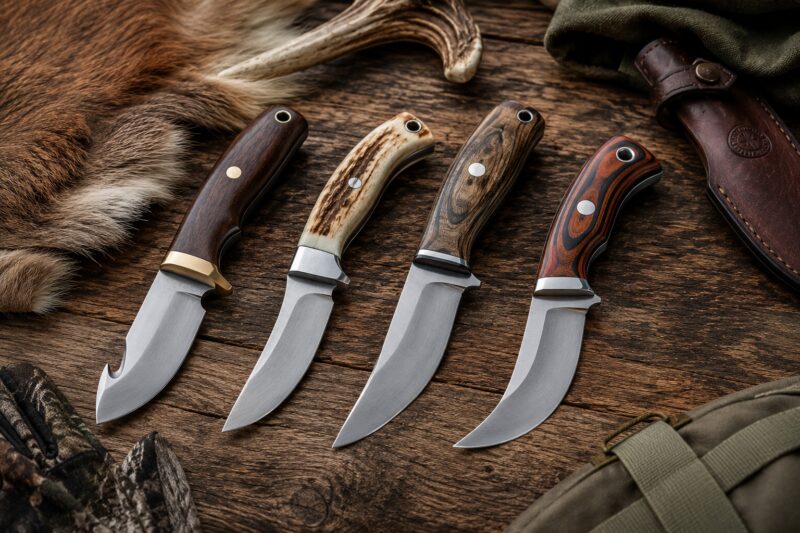
How to Choose a Skinning Knife
A quality skinning knife is one of the most important tools a hunter can own. Whether you’re processing whitetail deer, wild boar, elk, antelope, or smaller game, the right knife can make field dressing and skinning faster, cleaner, safer, and more enjoyable.
Unfortunately, many hunters choose a knife based primarily on appearance, brand name, or price. While these factors may matter, the best skinning knife is defined by performance in the field.
A properly designed skinning knife helps separate hide from meat efficiently, minimizes accidental punctures, and reduces hand fatigue during long processing sessions.
In this guide, we’ll cover everything you need to know about choosing a skinning knife, including blade shapes, blade length, steel types, handle materials, maintenance, and whether a handmade hunting knife is worth the investment.
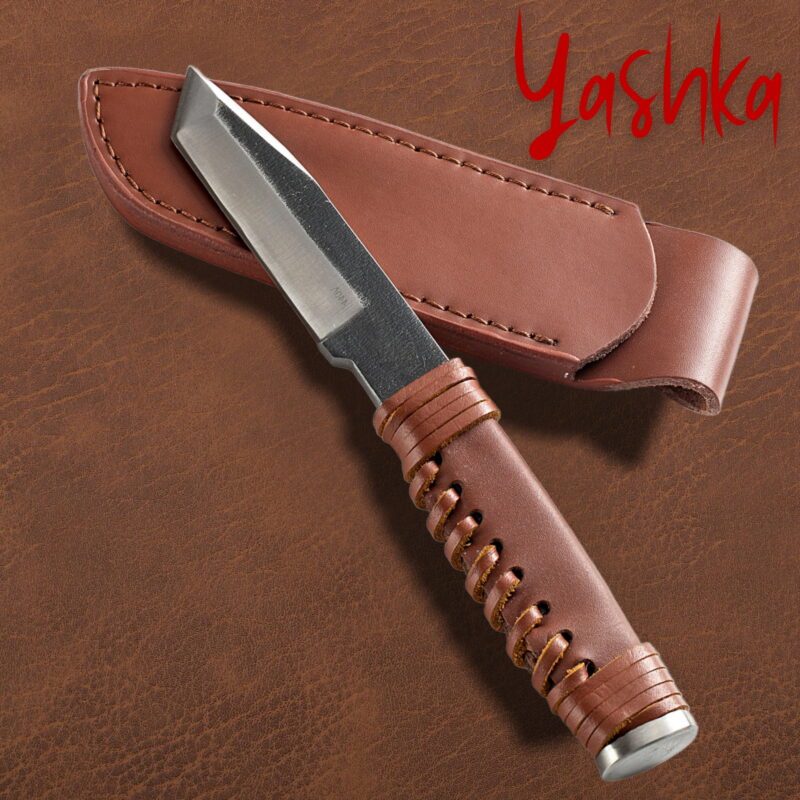
https://yashkadesigns.com/hand-forged-hunting-knife-fixed-blade-leather-scabbard-outdoor-camping-tactical-home-tool
What Is a Skinning Knife?
A skinning knife is a hunting knife specifically designed to remove the hide from an animal after harvest.
Unlike survival knives or tactical knives, skinning knives prioritize:
- Precision
- Control
- Slicing ability
- Maneuverability
The goal is to separate hide from meat without damaging either.
A good skinning knife should glide smoothly beneath the skin while maintaining excellent control.
Why the Right Skinning Knife Matters
Many new hunters underestimate the importance of knife design.
The wrong knife can cause:
- Accidental punctures
- Torn hides
- Meat waste
- Hand fatigue
- Increased processing time
The right knife makes the entire process easier and more efficient.
For hunters who regularly process their own game, investing in a quality knife is one of the best upgrades possible.
Understanding Skinning Knife Blade Shapes
Blade shape is arguably the most important factor when selecting a skinning knife.
Different blade profiles behave differently during skinning.
Drop Point Blade
The drop point is widely considered the best all-around hunting blade.
Advantages include:
- Excellent control
- Strong tip
- Smooth slicing performance
- Versatility
Drop-point knives work well for:
- Skinning
- Field dressing
- Camp chores
- Meat processing
This makes them one of the most popular hunting knife styles.
Trailing Point Blade
Many dedicated skinning knives use a trailing point design.
Characteristics include:
- Upswept spine
- Large belly
- Long cutting edge
Benefits:
- Exceptional slicing ability
- Fast skinning performance
- Reduced effort
Drawbacks:
- Less versatile
- More delicate tip
For hunters primarily focused on skinning, a trailing point can be an excellent choice.
Clip Point Blade
Clip-point knives offer:
- Sharp tip
- Good penetration
- Detailed control
They perform well during field dressing but are generally less specialized for skinning than drop points.
Skinner Blade
Some manufacturers produce dedicated skinning blades featuring:
- Aggressive belly
- Rounded tip
- Specialized geometry
These excel at hide removal but may not perform as well for general outdoor use.
What Blade Length Is Best?
One of the most common questions hunters ask is:
“How long should a skinning knife be?”
The answer depends on the game being hunted.
Small Game
Ideal blade length:
2.5–4 inches
Suitable for:
- Rabbits
- Squirrels
- Birds
Deer and Medium Game
Ideal blade length:
3.5–5 inches
This range provides:
- Excellent control
- Sufficient cutting length
- Easy maneuverability
Most hunters find this range ideal.
Large Game
For elk, moose, and similar animals:
4–6 inches
A slightly longer blade improves efficiency without sacrificing control.
Why Bigger Is Not Always Better
Many hunters assume a larger knife will perform better.
In reality, oversized blades often create problems.
Large knives can:
- Reduce precision
- Increase fatigue
- Make detailed cuts difficult
Most experienced hunters prefer moderate-sized blades.
Choosing the Right Blade Thickness
Blade thickness affects cutting efficiency.
Thin Blades
Advantages:
- Superior slicing
- Easier skinning
- Less resistance
Thick Blades
Advantages:
- More durability
- Greater strength
For dedicated skinning, thinner profiles usually perform better.
A blade thickness between 2.5 and 4 mm generally works well.
Check Our Guide Best Blade Thickness for Different Uses
Best Steel for a Skinning Knife
Steel selection influences:
- Edge retention
- Sharpening ease
- Corrosion resistance
- Durability
Carbon Steel
Carbon steel remains popular among hunters.
Advantages:
- Easy sharpening
- Excellent edge quality
- High toughness
Disadvantages:
- Requires maintenance
- Can rust
Many traditional hunting knives use carbon steel.
Stainless Steel
Modern stainless steels offer:
- Corrosion resistance
- Reduced maintenance
- Reliable performance
Particularly useful in wet environments.
Check Our Guide Carbon Steel vs Stainless Steel Knives
Premium Modern Steels
Higher-end steels often provide:
- Better edge retention
- Improved toughness
- Enhanced corrosion resistance
These are commonly found in premium handmade hunting knives.
Edge Geometry Matters
A sharp knife is important.
The edge geometry is equally important.
Skinning knives benefit from:
- Fine cutting edges
- Efficient slicing geometry
- Smooth cutting action
A properly sharpened knife should cut cleanly without excessive force.
Fixed Blade vs Folding Skinning Knife
Fixed Blade Advantages
Most serious hunters prefer fixed blades.
Benefits include:
- Superior strength
- Easier cleaning
- Greater reliability
- Faster deployment
Folding Knife Advantages
Benefits:
- Compact carry
- Lightweight
- Convenient storage
However, hinges and locking mechanisms can collect debris and blood.
For frequent hunting use, fixed blades remain the preferred option.
Handle Materials for Hunting Knives
The handle significantly affects comfort and safety.
A hunting knife may be used while:
- Wet
- Cold
- Bloody
- Muddy
Grip security is essential.
Check Our Guide Knife Handle Materials Explained
Wood Handles
Natural wood provides:
- Beauty
- Warm feel
- Traditional appearance
Premium stabilized woods offer improved durability.
Micarta
A favorite among hunters.
Benefits include:
- Excellent grip
- Weather resistance
- Durability
G10
Advantages:
- Toughness
- Moisture resistance
- Easy maintenance
Hybrid Handles
Many custom makers combine:
- Stabilized wood
- Resin
- Decorative spacers
These offer both functionality and aesthetics.
Ergonomics Are Critical
A knife may appear beautiful but feel uncomfortable.
Good ergonomics reduce:
- Hand fatigue
- Hot spots
- Loss of control
Before purchasing, consider how the handle fits your hand.
Comfort matters more than appearance during extended use.
Gut Hooks: Useful or Unnecessary?
Some hunting knives include gut hooks.
Advantages:
- Faster opening cuts
- Reduced puncture risk
Disadvantages:
- Harder sharpening
- Less versatility
Many experienced hunters successfully process game without them.
Handmade vs Factory Skinning Knives
Hunters often ask whether handmade knives justify their higher price.
The answer depends on priorities.
Advantages of Handmade Knives
Handmade knives often feature:
- Better craftsmanship
- Premium materials
- Unique designs
- Superior finishing
- Individual attention to detail
Advantages of Factory Knives
Factory knives typically offer:
- Lower cost
- Wide availability
- Consistent production
Both can perform well when properly designed.
How to Evaluate Build Quality
Look for:
- Symmetrical grind lines
- Comfortable handle transitions
- Proper edge geometry
- Quality sheath
- Solid fit and finish
Attention to detail often indicates overall craftsmanship.
Choosing a Sheath
A hunting knife is only as practical as its sheath.
Important features include:
- Secure retention
- Comfortable carry
- Easy access
- Durability
Leather and Kydex remain the most popular options.
Maintaining Your Skinning Knife
Regular maintenance ensures long-term performance.
After use:
- Clean thoroughly
- Dry completely
- Apply protective oil if necessary
- Store safely
Proper care preserves both performance and appearance.
Sharpening a Skinning Knife
A dull knife is dangerous and inefficient.
Keep your knife sharp using:
- Sharpening stones
- Guided systems
- Ceramic rods
Regular touch-ups require less effort than major reprofiling.
Common Mistakes When Buying a Skinning Knife
Choosing Based on Appearance Alone
Looks should never outweigh functionality.
Buying an Oversized Knife
Large blades rarely improve skinning performance.
Ignoring Handle Comfort
Discomfort becomes obvious during lengthy processing sessions.
Choosing Poor Steel
Cheap steel may dull quickly or become difficult to maintain.
Best Features of an All-Around Hunting Knife
If you want one knife that handles:
- Skinning
- Field dressing
- Camp chores
- Meat processing
Look for:
- Drop-point blade
- 3.5–5 inch blade
- Full tang construction
- Comfortable handle
- Quality steel
This combination provides exceptional versatility.
Selecting a Skinning Knife by Hunting Style
Whitetail Deer Hunters
Ideal setup:
- 4-inch drop point
- Moderate belly
- Lightweight design
Elk Hunters
Ideal setup:
- 4.5–5 inch blade
- Durable steel
- Full tang construction
Wild Boar Hunters
Prioritize:
- Edge retention
- Toughness
- Secure grip
Small Game Hunters
Smaller blades offer greater precision.
Why Many Experienced Hunters Prefer Simplicity
The most effective hunting knives are often surprisingly simple.
Rather than gimmicks, experienced hunters value:
- Sharp edges
- Comfortable handles
- Reliable steel
- Practical blade shapes
Simple designs tend to perform best in the field.
Final Thoughts
Choosing the best skinning knife involves much more than selecting the most expensive or visually impressive option.
The ideal skinning knife combines a practical blade shape, quality steel, comfortable ergonomics, and reliable construction. For most hunters, a fixed-blade drop-point knife between 3.5 and 5 inches offers the perfect balance of versatility, control, and performance.
Whether you’re processing whitetail deer, elk, wild boar, or small game, investing in a well-made skinning knife will make every hunting season more enjoyable and efficient.
A great hunting knife is more than a tool—it’s a trusted companion that can serve for many years and countless successful hunts.
FAQ
Q: What is the best blade shape for a skinning knife?
A: Drop-point and trailing-point blades are generally considered the best options for skinning game animals.
Q: What blade length is best for skinning deer?
A: Most hunters prefer a blade between 3.5 and 5 inches for deer processing.
Q: Is a fixed blade better than a folding knife for hunting?
A: Yes. Fixed blades are stronger, easier to clean, and more reliable in field conditions.
Q: Should I choose carbon steel or stainless steel?
A: Carbon steel is easy to sharpen and very tough, while stainless steel offers better corrosion resistance.
Q: Are gut hooks necessary?
A: No. Many experienced hunters successfully process game without a gut hook.
Q: What handle material is best for hunting knives?
A: Micarta, G10, and stabilized wood are all excellent choices due to their durability and grip.
Q: Is a handmade skinning knife worth the money?
A: Handmade knives often provide superior craftsmanship, materials, and long-term value.
Q: How often should I sharpen my skinning knife?
A: Sharpen as needed and touch up the edge regularly to maintain peak performance.
Q: What is the biggest mistake when choosing a hunting knife?
A: Selecting a knife that is too large or uncomfortable for extended use.
Q: Can one knife handle both skinning and camp chores?
A: Yes. A quality drop-point hunting knife can effectively perform both tasks.
How to Choose a Skinning Knife