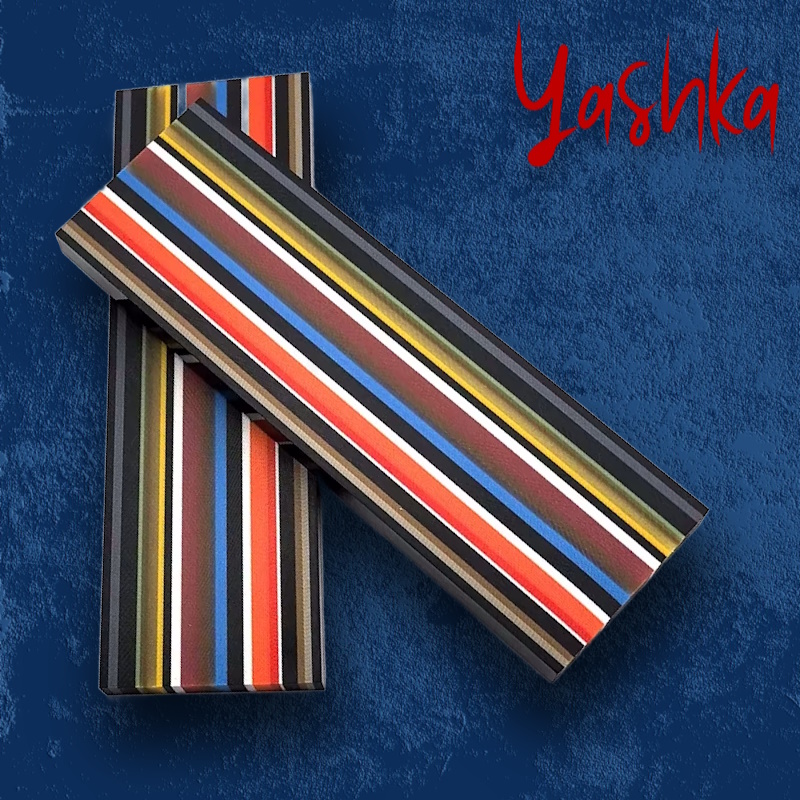
A knife’s blade often gets most of the attention, but experienced knife makers and enthusiasts know that the handle is just as important. A high-quality handle improves comfort, control, durability, and overall performance. Whether you’re building a custom knife, purchasing a handmade blade, or selecting materials for your next project, understanding knife handle materials can help you make the right choice.
Today, knife handles are available in a wide range of materials, from traditional hardwoods to modern synthetic composites. Each material offers unique advantages and characteristics that make it suitable for specific applications.
In this guide, we’ll explore the most popular knife handle materials, their strengths and weaknesses, and how to choose the best option for your needs.
Why Knife Handle Material Matters
The handle serves as the connection between the user and the blade. Even the finest steel can feel uncomfortable or difficult to control if paired with the wrong handle material.
A quality handle should provide:
- Comfortable grip
- Good balance
- Durability
- Resistance to moisture
- Attractive appearance
- Long-term reliability
The ideal material depends on how the knife will be used and the environment it will face.
Natural Wood Handles
Wood remains one of the most popular handle materials in knife making. It offers warmth, beauty, and a timeless appearance that synthetic materials often cannot match.
Advantages of Wood Handles
- Natural beauty
- Comfortable feel
- Unique grain patterns
- Traditional appearance
- Easy customization
Every piece of wood is unique, making each knife one of a kind.
Potential Drawbacks
- Sensitive to moisture
- Can shrink or expand with humidity
- Requires occasional maintenance
Proper finishing and sealing help protect wooden handles from environmental damage.
Olive Wood Handles
Olive wood is highly valued among knife makers and collectors.
Its distinctive grain patterns and rich golden tones create an elegant appearance that works particularly well on kitchen knives and premium custom blades.
Benefits of Olive Wood
- Attractive natural grain
- Comfortable texture
- Moderate durability
- Traditional Mediterranean appearance
Olive wood is especially popular on chef knives and presentation pieces.
Walnut Handles
Walnut has long been used for premium tools and firearms.
The rich dark color and excellent workability make it a favorite among custom knife makers.
Benefits of Walnut
- Elegant appearance
- Strong and durable
- Comfortable grip
- Easy finishing
Walnut works well for hunting knives, outdoor knives, and kitchen knives.
Stabilized Wood
Stabilized wood is natural wood that has been infused with resin under pressure.
This process dramatically improves the wood’s resistance to moisture and environmental changes.
Why Knife Makers Love Stabilized Wood
- Increased durability
- Reduced cracking
- Better moisture resistance
- Enhanced color options
- Excellent polish and finish
Many custom knife makers consider stabilized wood one of the best handle materials available today.
Burl Wood Handles
Burl wood comes from unusual growth patterns found in trees.
These rare formations create highly decorative grain structures that are prized by collectors.
Popular burl woods include:
- Maple burl
- Walnut burl
- Buckeye burl
- Redwood burl
Because every piece is unique, burl wood is often used in high-end custom knives.
Resin Knife Handles
Resin has become increasingly popular in modern knife making.
Unlike natural materials, resin allows makers to create virtually unlimited color combinations and artistic effects.
Advantages of Resin
- Waterproof
- Stable in changing climates
- Bright colors
- Unique visual effects
- Minimal maintenance
Resin handles are especially popular on kitchen knives and custom collector pieces.
Hybrid Handles
Hybrid handles combine natural wood with colored resin.
This creates a striking contrast between organic grain patterns and vibrant synthetic materials.
Benefits of Hybrid Materials
- Exceptional appearance
- High durability
- Unique design possibilities
- Excellent stability
No two hybrid handles are exactly alike.
Micarta
Micarta is one of the most respected synthetic handle materials in the knife industry.
It is made by compressing layers of fabric, paper, or canvas with resin under high pressure.
Advantages of Micarta
- Extremely durable
- Excellent grip
- Water resistant
- Lightweight
- Low maintenance
Micarta performs particularly well in outdoor and survival environments.
G10
G10 is another highly popular synthetic material.
Made from fiberglass cloth and epoxy resin, G10 offers exceptional strength and weather resistance.
Benefits of G10
- Outstanding durability
- Waterproof
- Resistant to chemicals
- Excellent grip texture
- Available in many colors
Many tactical and everyday carry knives use G10 handles.
Bone Handles
Bone has been used in knife making for centuries.
It provides a traditional appearance that many collectors appreciate.
Advantages of Bone
- Classic look
- Lightweight
- Distinctive texture
- Historical appeal
Bone handles are commonly found on traditional folding knives and collector pieces.
Horn Handles
Natural horn creates an elegant and luxurious appearance.
Common options include:
- Buffalo horn
- Ram horn
- Deer antler
Horn handles offer natural beauty and unique texture but require proper care to maintain their appearance.
Which Handle Material Is Best for Hunting Knives?
For hunting knives, durability and grip are often the top priorities.
Popular choices include:
- Stabilized wood
- Micarta
- G10
- Walnut
These materials perform well in outdoor conditions and provide reliable handling in wet environments.
Which Handle Material Is Best for Kitchen Knives?
Kitchen knives benefit from materials that resist moisture while remaining comfortable during long periods of use.
Popular options include:
- Olive wood
- Stabilized wood
- Resin
- Hybrid materials
These materials combine aesthetics with practical performance.
How to Choose the Right Knife Handle Material
When selecting handle materials, consider the following factors:
Intended Use
Will the knife be used in the kitchen, outdoors, or for display?
Climate
Humid environments may favor stabilized wood or synthetic materials.
Maintenance
Natural materials often require more care than synthetic alternatives.
Appearance
Collectors may prioritize beauty, while working users may prioritize durability.
Budget
Some premium materials command significantly higher prices than standard options.
Final Thoughts
The best knife handle material depends on your intended use, personal preferences, and desired appearance. Natural woods offer timeless beauty, stabilized wood combines elegance with durability, and synthetic materials provide exceptional performance in demanding conditions.
Whether you’re building a custom hunting knife, creating a chef knife, or selecting handle scales for a knife-making project, understanding the strengths of each material will help you create a knife that is both functional and visually impressive.
A carefully chosen handle transforms a simple blade into a tool that feels comfortable, performs reliably, and reflects the craftsmanship behind its creation.
Frequently Asked Questions
What is the best material for a knife handle?
The best knife handle material depends on the intended use. Stabilized wood offers an excellent balance of beauty and durability, while Micarta and G10 are preferred for heavy outdoor use due to their toughness and moisture resistance.
Is wood a good material for knife handles?
Yes. Wood has been used for knife handles for centuries because it is comfortable, attractive, and easy to work with. Properly finished wood handles can provide many years of reliable service.
What is stabilized wood?
Stabilized wood is natural wood that has been infused with resin under pressure. This process improves durability, reduces the risk of cracking, and increases resistance to moisture and temperature changes.
Are resin knife handles durable?
Yes. Resin handles are highly durable, waterproof, and resistant to environmental conditions. They require very little maintenance and are popular for both kitchen and custom knives.
What is the difference between Micarta and G10?
Micarta is made from layers of fabric, canvas, or paper combined with resin, while G10 is made from fiberglass and epoxy resin. Both are extremely durable, but G10 is generally harder and more resistant to moisture.
Which handle material is best for hunting knives?
For hunting knives, popular choices include stabilized wood, Micarta, G10, and walnut. These materials provide durability, a secure grip, and reliable performance in outdoor environments.
Which handle material is best for kitchen knives?
Kitchen knives often use olive wood, stabilized wood, resin, or hybrid materials. These options combine comfort, moisture resistance, and attractive appearance.
Do wooden knife handles require maintenance?
Yes. Natural wood handles should be kept clean and dry. Occasional treatment with mineral oil or a suitable wood conditioner can help preserve their appearance and longevity.
Are hybrid knife handles worth it?
Hybrid handles combine natural wood with resin, offering both beauty and durability. They are highly popular among custom knife makers because every handle has a unique appearance.
What should beginners choose for a knife handle project?
Beginners often achieve excellent results with stabilized wood, Micarta, or resin scales. These materials are relatively easy to work with and provide reliable long-term performance.
https://yashkadesigns.com/diy-blades-and-handles
https://www.etsy.com/shop/YashkaDesigns?section_id=55605573