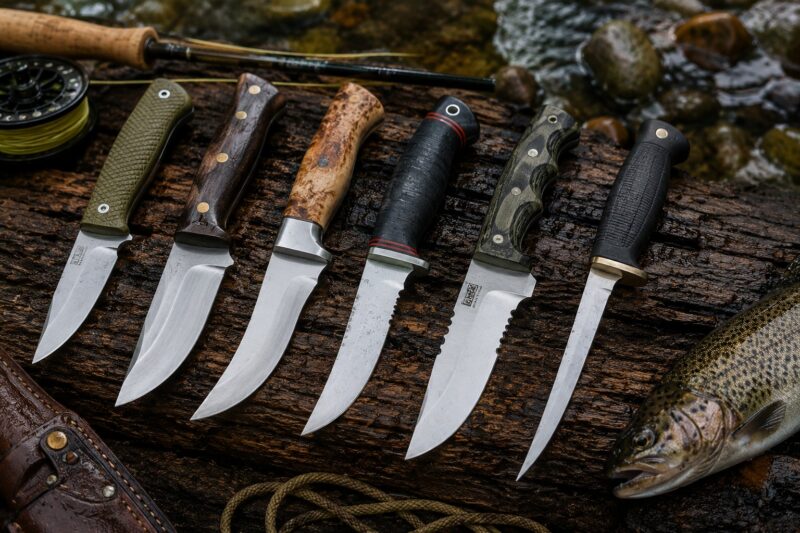
How to Choose a Hunting Knife for Fishing
Many outdoor enthusiasts enjoy both hunting and fishing. Whether you’re spending weekends at a remote lake, exploring backcountry rivers, or combining a hunting trip with fishing opportunities, carrying a single versatile knife can simplify your gear and reduce weight.
However, choosing a hunting knife that also performs well for fishing is not as straightforward as it may seem. Hunting and fishing place different demands on a blade. A knife that excels at field dressing deer may not be ideal for cleaning fish, while a specialized fillet knife often struggles with general outdoor tasks.
So, is it possible to find one knife that can effectively handle both?
The answer is yes—if you understand the characteristics that matter most.
In this guide, we’ll explore blade shapes, steel types, blade lengths, handle materials, and other features that help create a truly versatile hunting and fishing knife.
🔪 Looking for a Professional-Grade Hunting Knife For Fishing?
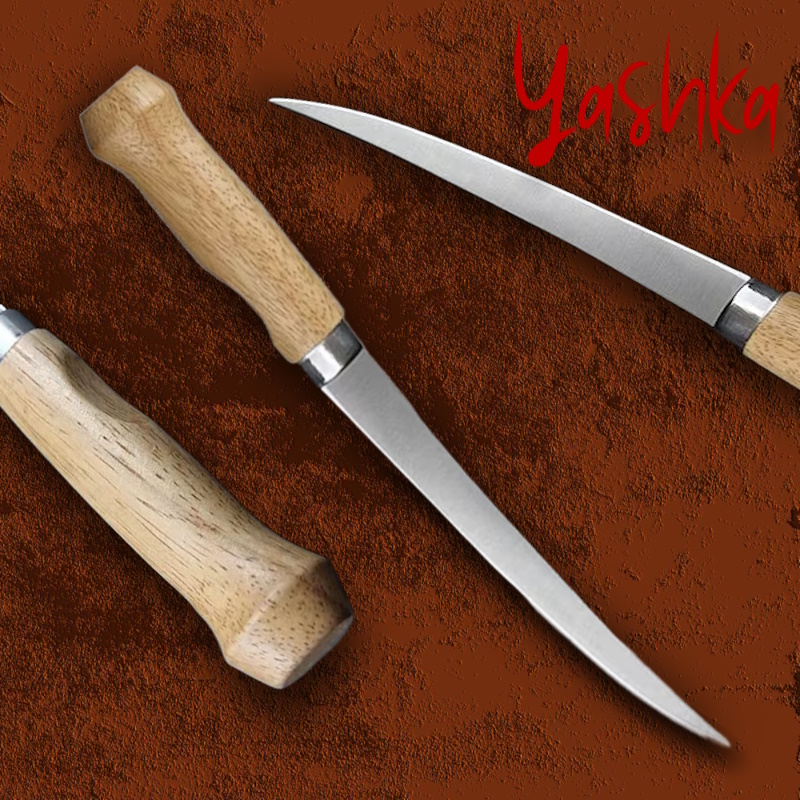
https://yashkadesigns.com/fillet-knife-fishing-tool-bbq-meat-carving-cutting-gadgets-cooking-utensils
Why Combine Hunting and Fishing Functions?
Many outdoorsmen prefer carrying a single knife because it offers:
- Less weight
- Less gear to manage
- Lower overall cost
- Faster access
- Greater convenience
For backpack hunters, campers, canoe travelers, and wilderness adventurers, every ounce matters.
A well-designed hunting knife can perform surprisingly well around water while still handling hunting duties effectively.
Understanding the Different Requirements
Before choosing a knife, it’s important to understand how hunting and fishing tasks differ.
Hunting Tasks
A hunting knife is commonly used for:
- Field dressing
- Skinning
- Quartering game
- Meat preparation
- Camp chores
These tasks require:
- Strength
- Control
- Durability
- Reliable edge retention
Fishing Tasks
Fishing knives may be used for:
- Cleaning fish
- Cutting bait
- Preparing food
- Cutting line
- General camp use
These tasks emphasize:
- Corrosion resistance
- Fine control
- Slicing performance
- Easy cleaning
The ideal knife must balance both worlds.
Why Stainless Steel Matters More Around Water
One of the biggest differences between hunting and fishing knives is exposure to moisture.
Fishing often involves:
- Wet hands
- Saltwater
- Freshwater
- Fish residue
- Humid environments
This makes corrosion resistance particularly important.
Carbon Steel vs Stainless Steel
Carbon Steel
Advantages:
- Easy sharpening
- Excellent toughness
- Outstanding edge performance
Disadvantages:
- Requires frequent maintenance
- Can rust quickly around water
While carbon steel remains popular among hunters, it requires extra care during fishing trips.
Stainless Steel
Advantages:
- Corrosion resistance
- Easier maintenance
- Better suitability for fishing
Modern stainless steels have improved dramatically and offer excellent performance for combined hunting and fishing use.
For most people, stainless steel is the safer choice.
Choosing the Right Blade Length
Blade length has a major impact on versatility.
Too Short
Blades under 3 inches may struggle with:
- Processing larger game
- Camp chores
- Food preparation
Too Long
Blades over 6 inches can become:
- Difficult to control
- Awkward for fish cleaning
- Less portable
Ideal Length
For combined hunting and fishing applications:
4 to 5 Inches
This range offers:
- Excellent control
- Good slicing ability
- Versatility
- Comfortable carry
Many outdoor experts consider this the ideal compromise.
Best Blade Shape for Hunting and Fishing
Blade shape determines how efficiently a knife performs different tasks.
Drop Point Blade
The drop point is often considered the most versatile outdoor blade.
Benefits include:
- Strong tip
- Excellent control
- Good slicing ability
- Reliable performance
A drop-point knife can clean fish, process game, and perform camp chores effectively.
This is often the best choice for a dual-purpose knife.
Trailing Point Blade
Popular among fishing knives.
Advantages:
- Large belly
- Long cutting edge
- Excellent slicing
However, trailing points are often less versatile for hunting tasks.
Clip Point Blade
Benefits include:
- Precision
- Sharp tip
- Detailed control
A clip point can work well but may sacrifice some durability.
Blade Thickness Considerations
Hunting knives are often thicker than fishing knives.
For a combination knife:
Ideal Thickness
Approximately 3–4 mm
This provides:
- Strength
- Durability
- Efficient slicing
A moderate thickness delivers the best balance.
Fixed Blade vs Folding Knife
This debate continues among outdoor enthusiasts.
Fixed Blade Advantages
Fixed blades offer:
- Greater strength
- Easier cleaning
- Improved reliability
- Simpler maintenance
These qualities are especially valuable when processing game or fish.
Folding Knife Advantages
Benefits include:
- Compact carry
- Convenience
- Lightweight design
For occasional fishing trips, a folding knife may suffice.
For serious outdoor use, a fixed blade remains the preferred option.
Handle Materials for Wet Conditions
Fishing environments demand secure grip.
A slippery handle can become dangerous.
Look for materials that remain secure when wet.
Micarta
Advantages:
- Excellent grip
- Durable
- Comfortable
Many outdoorsmen consider Micarta one of the best handle materials available.
G10
Benefits:
- Water resistance
- Durability
- Easy maintenance
Ideal for harsh outdoor environments.
Stabilized Wood
A popular choice for handmade knives.
Benefits include:
- Beautiful appearance
- Improved moisture resistance
- Traditional feel
Ergonomics Matter
A knife may have excellent steel and blade geometry but still perform poorly if it feels uncomfortable.
Look for:
- Rounded edges
- Secure grip
- Comfortable contours
- Good balance
Extended fish cleaning sessions can quickly reveal ergonomic flaws.
Edge Geometry and Cutting Performance
Fishing often requires smooth slicing cuts.
A knife with poor edge geometry may:
- Tear meat
- Increase effort
- Reduce efficiency
A thinner cutting edge generally performs better than a thick wedge-like edge.
Cleaning Fish with a Hunting Knife
Many people assume only fillet knives can clean fish.
This isn’t true.
A properly designed hunting knife can handle:
- Trout
- Bass
- Pike
- Walleye
- Salmon
The key is good control and sharpness.
Can a Hunting Knife Replace a Fillet Knife?
Partially.
A hunting knife can clean fish effectively.
However, dedicated fillet knives still excel at:
- Removing skin
- Precise filleting
- Flexible cutting
For anglers who process large numbers of fish, a dedicated fillet knife remains valuable.
For occasional fishing, a hunting knife is often sufficient.
Hunting Applications
A dual-purpose knife should still excel at hunting tasks.
This includes:
- Field dressing
- Skinning
- Meat preparation
- Camp processing
The knife should remain effective even after exposure to wet conditions.
Why Full Tang Construction Is Recommended
Full tang knives provide:
- Superior strength
- Better durability
- Improved reliability
For users seeking one knife for multiple outdoor activities, full tang construction is highly recommended.
Sheath Selection
A good sheath protects both the knife and the user.
Important features include:
- Drainage
- Secure retention
- Fast access
- Weather resistance
Kydex and quality leather are both excellent options.
Saltwater Considerations
Saltwater is especially demanding.
Choose steels known for:
- Corrosion resistance
- Easy maintenance
- Long-term durability
Always rinse and dry your knife after saltwater exposure.
Backpacking and Weight Savings
Many outdoor enthusiasts seek multi-purpose tools.
A single hunting and fishing knife reduces:
- Pack weight
- Equipment complexity
- Carrying burden
This is especially valuable during long trips.
Handmade Knives for Hunting and Fishing
Handmade knives often provide advantages such as:
- Premium materials
- Better craftsmanship
- Custom handle options
- Unique designs
A handmade knife can be tailored specifically to outdoor needs.
Signs of a High-Quality Outdoor Knife
Look for:
- Comfortable ergonomics
- High-quality steel
- Precise fit and finish
- Full tang construction
- Reliable sheath
These features contribute more to performance than branding or appearance alone.
Common Mistakes When Choosing a Hunting Knife for Fishing
Choosing Carbon Steel Without Understanding Maintenance
Many buyers underestimate corrosion risks.
Buying a Blade That Is Too Large
Oversized knives reduce versatility.
Prioritizing Appearance Over Function
A beautiful knife is worthless if it performs poorly.
Ignoring Handle Grip
Wet conditions expose poor handle design immediately.
Recommended Features
If you want one knife for hunting and fishing, prioritize:
- Stainless steel
- Drop-point blade
- Full tang construction
- Blade length of 4–5 inches
- Comfortable grip
- Durable sheath
This combination handles most outdoor situations exceptionally well.
Real-World Performance
Experienced outdoorsmen often discover that a medium-sized drop-point knife performs nearly every task they encounter.
It may not be the perfect fillet knife.
It may not be the ultimate skinning knife.
But it performs both jobs well enough to eliminate the need for multiple blades.
That versatility is what makes it valuable.
Conclusion
Choosing a hunting knife for fishing is about finding balance rather than specialization.
The ideal knife should resist corrosion, maintain a sharp edge, provide excellent control, and remain comfortable during long periods of use. For most outdoor enthusiasts, a stainless steel drop-point knife with a blade length between 4 and 5 inches represents the best compromise.
Such a knife can clean fish, process game, prepare meals, cut rope, handle camp chores, and serve as a dependable outdoor companion for years.
Rather than carrying multiple blades, many hunters and anglers find that one carefully selected knife can handle nearly every challenge nature presents.
FAQ
Q: Can a hunting knife be used for fishing?
A: Yes. A quality hunting knife can clean fish, prepare bait, and perform most fishing-related tasks.
Q: What blade length is best for hunting and fishing?
A: A blade between 4 and 5 inches offers the best balance of versatility and control.
Q: Is stainless steel better than carbon steel for fishing?
A: Generally yes. Stainless steel provides superior corrosion resistance in wet environments.
Q: What blade shape works best for hunting and fishing?
A: A drop-point blade is widely considered the most versatile option.
Q: Can a hunting knife replace a fillet knife?
A: For occasional fishing, yes. However, dedicated fillet knives perform better for precise filleting tasks.
Q: Is a fixed blade better than a folding knife?
A: Fixed blades are stronger, easier to clean, and generally more reliable outdoors.
Q: What handle material is best around water?
A: Micarta, G10, and stabilized wood are all excellent choices.
Q: Why is a full tang important?
A: Full tang construction improves strength, durability, and reliability.
Q: What is the biggest mistake when choosing a hunting and fishing knife?
A: Choosing a knife that is too large or made from steel that rusts easily in wet conditions.
Q: Can one knife really handle both hunting and fishing?
A: Yes. A well-designed outdoor knife can successfully perform both roles while reducing gear weight and complexity.