Ultimate Guide to Caring for a Damascus Steel
An Independent Guide
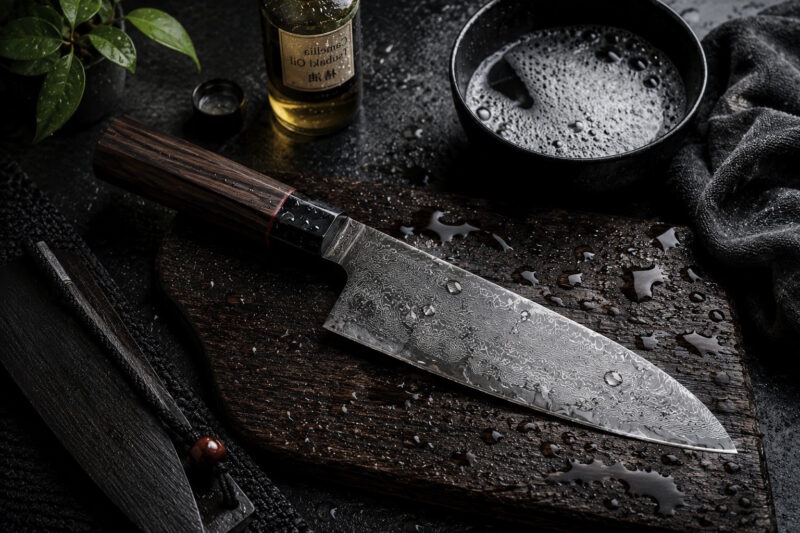
A Damascus steel knife is more than just a cutting tool. Whether used in the kitchen, the workshop, or the outdoors, it represents craftsmanship, performance, and beauty. The distinctive flowing patterns of Damascus steel have fascinated knife enthusiasts for centuries, making these blades some of the most sought-after knives in the world.
However, owning a Damascus steel knife also comes with responsibility. Proper care is essential if you want your knife to maintain its sharp edge, stunning appearance, and long service life.
Many new knife owners mistakenly believe Damascus steel requires complicated maintenance. In reality, caring for a Damascus knife is relatively simple when you understand the fundamentals.
This comprehensive guide explains everything you need to know about cleaning, sharpening, storing, and protecting your Damascus steel knife so it remains beautiful and functional for years to come.
🔪 Looking for a Professional-Grade Damascus Knife?
https://yashkadesigns.com/damascus-steel-chefs-knife-japanese-kiritsuke-blade-home
What Is Damascus Steel?
Modern Damascus steel is typically created by forge welding multiple layers of steel together. These layers are folded, forged, and manipulated to create the distinctive patterns visible on the blade.
Today’s Damascus knives generally feature:
- A hard cutting core
- Multiple outer steel layers
- Decorative etched patterns
- Excellent cutting performance
- Unique visual appeal
Some Damascus knives use stainless steels, while others incorporate high-carbon steels. Understanding which type you own helps determine the best maintenance routine.
Check Our Guide What Is Damascus Steel?
Why Proper Care Matters
A quality Damascus knife can last decades or even generations when properly maintained.
Benefits of regular care include:
- Longer edge retention
- Improved cutting performance
- Corrosion prevention
- Preservation of Damascus patterns
- Increased lifespan
- Better overall appearance
Neglecting maintenance can lead to rust, staining, dull edges, and reduced performance.
Understanding Carbon Damascus vs Stainless Damascus
Before discussing maintenance, it’s important to identify the type of Damascus steel you own.
Carbon Damascus Steel
Carbon Damascus contains steels with significant carbon content and little chromium.
Advantages:
- Excellent edge retention
- Easy sharpening
- Traditional appearance
Disadvantages:
- More susceptible to rust
- Requires oiling
- Needs careful maintenance
Stainless Damascus Steel
Many modern Damascus knives use stainless steels such as:
- VG10 Damascus
- 9Cr18MoV Damascus
- AUS-10 Damascus
- SG2 Damascus
Advantages:
- Better corrosion resistance
- Easier maintenance
- Reduced staining
Disadvantages:
- Not completely rust-proof
- Still requires proper care
Even stainless Damascus can develop corrosion if neglected.
Daily Cleaning Practices
The most important Damascus knife maintenance habit is proper cleaning.
Clean Immediately After Use
Never leave food residue or moisture on the blade.
After use:
- Wash with warm water.
- Use mild dish soap.
- Wipe gently with a soft sponge.
- Rinse thoroughly.
- Dry immediately.
This simple routine prevents most maintenance issues.
Avoid Harsh Cleaning Products
Do not use:
- Bleach
- Chlorine cleaners
- Abrasive powders
- Strong chemicals
These products can damage the etched Damascus pattern and accelerate corrosion.
Never Soak a Damascus Knife
Many people leave kitchen knives in the sink after cooking.
This is one of the worst habits for Damascus steel.
Extended exposure to moisture can cause:
- Rust formation
- Pattern discoloration
- Edge damage
Always wash and dry the knife immediately.
Why Dishwashers Are Dangerous
One of the fastest ways to ruin a Damascus knife is placing it in a dishwasher.
Dishwashers expose knives to:
- High temperatures
- Moisture
- Detergents
- Impact with other utensils
Potential damage includes:
- Corrosion
- Dull edges
- Damaged handles
- Faded Damascus patterns
A quality Damascus knife should always be hand washed.
Drying Your Damascus Knife Properly
Drying is just as important as washing.
Use:
- Soft microfiber cloth
- Cotton towel
- Clean kitchen cloth
Pay special attention to:
- Spine
- Choil
- Handle junction
- Decorative etching
Any trapped moisture can eventually create corrosion.
Oiling Damascus Steel
Many knife makers recommend occasional oiling.
This is especially important for carbon Damascus.
Benefits of Oiling
A thin layer of oil helps:
- Prevent rust
- Repel moisture
- Protect the pattern
- Maintain appearance
Recommended Oils
Food-safe options include:
- Mineral oil
- Camellia oil
- Tsubaki oil
- Food-grade knife oil
Avoid cooking oils because they can become sticky or rancid.
How Often Should You Oil?
For kitchen use:
- Every few weeks
- After deep cleaning
- Before long-term storage
For humid climates, more frequent oiling may be beneficial.
Preventing Rust
Rust is the biggest concern for Damascus steel owners.
Common Causes of Rust
- Moisture
- Salt
- Acidic foods
- Poor storage
- Inadequate drying
Foods That Can Cause Staining
Certain ingredients are particularly aggressive:
- Tomatoes
- Citrus fruits
- Vinegar
- Mustard
- Onions
These foods can react with steel if left on the blade.
Always clean the knife promptly after use.
Safe Storage Methods
Proper storage protects both the blade and the user.
Magnetic Knife Strips
Quality magnetic strips provide:
- Easy access
- Good airflow
- Reduced moisture accumulation
Use strong magnets with protective surfaces.
Wooden Knife Blocks
Wooden blocks remain a popular option.
Ensure:
- Slots are clean
- Knife is fully dry before storage
Blade Guards
Blade guards are excellent for:
- Drawer storage
- Transport
- Protecting the edge
Check Our Guide Kitchen Knife Care Guide
Saya Sheaths
Traditional Japanese wooden sayas provide elegant protection for Damascus kitchen knives.
Sharpening a Damascus Steel Knife
Even the best Damascus blade eventually becomes dull.
Fortunately, most Damascus knives sharpen beautifully.
Signs Your Knife Needs Sharpening
- Reduced slicing ability
- Food crushing instead of cutting
- Increased effort required
- Slipping on tomato skins
Best Sharpening Method
Water stones remain the preferred option.
Popular grits include:
- 1000 grit for sharpening
- 3000 grit for refinement
- 6000+ grit for polishing
Maintain the Existing Angle
Most Japanese-style knives use angles between:
- 12°–15° per side
- 15°–17° per side
Maintaining the original angle preserves performance.
Honing vs Sharpening
Many people confuse honing and sharpening.
Honing
Honing:
- Realigns the edge
- Removes minor deformation
- Extends time between sharpenings
Sharpening
Sharpening:
- Removes metal
- Creates a new cutting edge
Both are useful but serve different purposes.
Caring for Damascus Knife Handles
The blade isn’t the only component requiring maintenance.
Wood Handles
Wood handles benefit from occasional conditioning.
Suitable products include:
- Mineral oil
- Beeswax blends
- Wood conditioner
Benefits:
- Prevent cracking
- Enhance appearance
- Improve moisture resistance
Stabilized Wood
Stabilized woods require less maintenance but still benefit from periodic cleaning.
Synthetic Handles
Materials such as:
- G10
- Micarta
- Carbon fiber
Need only basic cleaning.
Check Our Guide Japanese Wa Handles
Protecting the Damascus Pattern
The beautiful pattern is one of the blade’s defining features.
To preserve it:
- Avoid abrasives
- Avoid steel wool
- Avoid harsh polishing compounds
- Use gentle cleaning methods
Aggressive polishing can gradually reduce contrast.
Long-Term Storage Tips
If storing a knife for months:
- Clean thoroughly.
- Dry completely.
- Apply a thin coat of oil.
- Store in a dry location.
- Avoid leather sheaths for long-term storage.
Leather can trap moisture and promote corrosion.
Common Damascus Knife Mistakes
Leaving the Knife Wet
Even a few hours can create spotting.
Cutting Frozen Foods
This can damage the edge.
Using Glass Cutting Boards
Glass is harder than knife edges and dulls blades rapidly.
Scraping Food With the Edge
Use the spine instead.
Storing Loose in Drawers
This damages both the edge and surrounding items.
How Often Should You Sharpen?
Frequency depends on usage.
Home Kitchen
Typically:
- Every 3–6 months
Professional Kitchen
Often:
- Monthly
- Sometimes weekly
Hunting and Outdoor Use
Sharpen as needed based on field conditions.
Can Damascus Steel Rust?
Yes.
Even stainless Damascus can rust under certain conditions.
The good news is that rust is usually preventable through proper maintenance.
Is Damascus Steel Difficult to Maintain?
Not at all.
Most owners spend less than a minute caring for their knife after use.
The routine is simple:
- Wash
- Dry
- Store properly
Occasional oiling and sharpening complete the maintenance process.
Why Damascus Knives Last So Long
A well-made Damascus knife combines:
- Quality steel
- Proper heat treatment
- Durable construction
- Excellent cutting performance
With basic maintenance, many Damascus knives remain functional and beautiful for decades.
Final Thoughts
A Damascus steel knife is both a practical tool and a work of art. Its striking layered patterns, exceptional cutting ability, and unique craftsmanship make it a favorite among chefs, collectors, hunters, and knife enthusiasts.
Fortunately, maintaining a Damascus knife is neither difficult nor time-consuming. Regular cleaning, thorough drying, occasional oiling, proper storage, and routine sharpening are all that is required to keep your blade performing at its best.
By following the care techniques outlined in this guide, you can protect your investment, preserve the beauty of the Damascus pattern, and enjoy exceptional cutting performance for many years to come. A properly maintained Damascus steel knife isn’t just a tool for today—it’s a knife that can be appreciated and passed down for generations.
FAQ
What is the best way to clean a Damascus steel knife?
Wash it by hand with warm water and mild soap, then dry it immediately with a soft cloth.
Can Damascus steel knives go in the dishwasher?
No. Dishwashers can damage the blade, handle, edge, and Damascus pattern.
Does Damascus steel rust?
Yes. Both carbon and stainless Damascus steel can rust if exposed to moisture for extended periods.
Should I oil my Damascus knife?
Yes. Applying a thin coat of food-safe mineral oil or camellia oil helps protect the blade from moisture and corrosion.
How often should I sharpen a Damascus knife?
Most home users need sharpening every 3–6 months, depending on frequency of use.
What cutting boards are safest for Damascus knives?
Wood and soft plastic cutting boards are recommended. Avoid glass, ceramic, and stone surfaces.
Can acidic foods damage Damascus steel?
Acidic foods such as tomatoes, citrus fruits, and vinegar can stain or discolor the blade if left on the surface.
What is the best storage method for a Damascus knife?
A magnetic knife strip, wooden knife block, blade guard, or traditional Japanese saya are all excellent storage options.
Is Damascus steel difficult to maintain?
No. Proper care usually requires only hand washing, drying, and occasional oiling.
How long can a Damascus steel knife last?
With proper maintenance, a high-quality Damascus steel knife can last for decades or even generations.
Ultimate Guide to Caring for a Damascus Steel