https://yashkadesigns.com/damascus-steel-chefs-knife-japanese-petty-knives-home-kitchen-utility-tool
Petty Knife vs Paring Knife
When shopping for kitchen knives, many home cooks and even professionals get confused by two small but essential blades: the petty knife and the paring knife. At first glance, they may look similar, but their design, purpose, and performance in the kitchen are quite different.
So, what exactly is the difference between a petty knife and a paring knife? Which one should you choose for your kitchen? And do you really need both?
In this guide, we’ll break down everything you need to know about petty knife vs paring knife differences, including blade size, functionality, cutting techniques, and the best use cases for each knife.
Whether you’re a home chef, culinary enthusiast, or professional cook, understanding these knives will help you improve precision, speed, and efficiency in the kitchen.
What Is a Petty Knife?
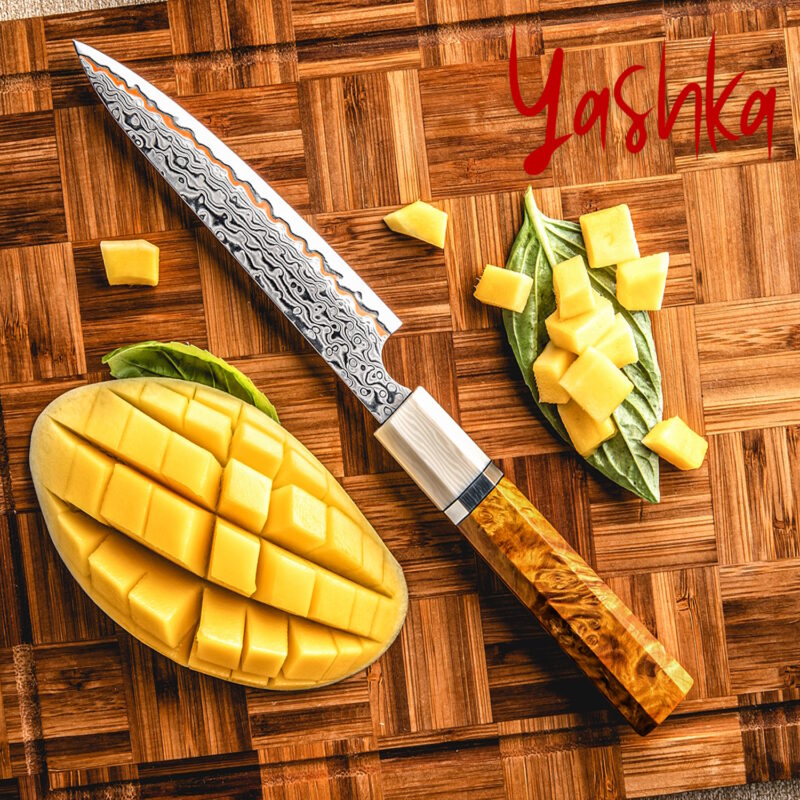
A petty knife is a small Japanese utility knife designed for precision slicing and detailed food preparation. It is often considered the Japanese equivalent of a Western utility knife.
Typically ranging from 120mm to 180mm, a petty knife has a narrow blade and pointed tip, making it perfect for delicate cutting tasks that are too small for a chef’s knife but too large for a paring knife.
Common Uses of a Petty Knife
A petty knife is ideal for:
• Slicing fruits and vegetables
• Trimming meat
• Cutting herbs
• Preparing sandwiches
• Portioning small proteins
• Precision slicing on a cutting board
Because of its versatility, many chefs use a petty knife as an everyday secondary blade.
Why Chefs Love Petty Knives
Petty knives are popular because they offer:
• Excellent control
• Razor-sharp precision
• Lightweight handling
• Versatility for multiple tasks
• Comfortable use on a cutting board
Japanese petty knives are especially valued for their thin blades and exceptional sharpness.
https://yashkadesigns.com/damascus-steel-paring-knife-chef-kitchen-tool-cutlery-cookware/
What Is a Paring Knife?
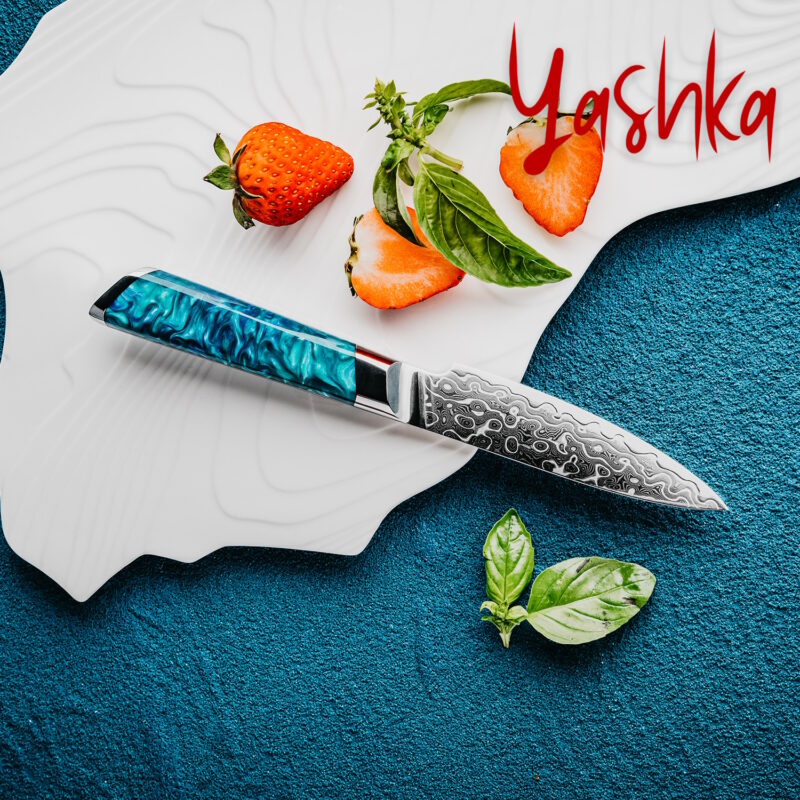
A paring knife is a small kitchen knife specifically designed for handheld cutting tasks. It usually features a blade between 70mm and 100mm and is much shorter than a petty knife.
Unlike petty knives, paring knives are mainly used off the cutting board.
Common Uses of a Paring Knife
Paring knives excel at:
• Peeling fruits and vegetables
• Deveining shrimp
• Coring strawberries
• Removing seeds
• Decorative garnishing
• Intricate hand work
Because of the compact blade, paring knives provide maximum precision for detailed kitchen tasks.
Why Every Kitchen Needs a Paring Knife
A quality paring knife allows you to perform delicate cuts safely and accurately. It’s one of the most essential knives in both home and professional kitchens.
Petty Knife vs Paring Knife: Key Differences
Now let’s compare these two knives directly.
- Blade Length
The most obvious difference is blade size.
Petty Knife
• Usually 120mm–180mm
• Longer and narrower blade
Paring Knife
• Usually 70mm–100mm
• Very short compact blade
A petty knife offers more reach and cutting capacity, while a paring knife provides tighter control for intricate work.
- Primary Function
Petty Knife
Designed for:
• Utility work
• Slicing
• Light prep work on cutting boards
Paring Knife
Designed for:
• Peeling
• Turning
• Precision handheld tasks
In simple terms:
• Petty knife = mini chef knife
• Paring knife = precision detail knife
- Cutting Style
Petty Knife
Used mostly on a cutting board with slicing motions.
Paring Knife
Used mainly in the hand for controlled detail work.
This difference dramatically changes how each knife feels during use.
- Blade Shape
Petty knives usually have:
• Slim profiles
• Longer edges
• Fine pointed tips
Paring knives often feature:
• Short triangular blades
• Compact edge geometry
• Increased maneuverability
- Versatility
A petty knife is generally more versatile.
You can use it for:
• Small vegetables
• Herbs
• Boneless meat
• Sandwich prep
• Fruit slicing
A paring knife is more specialized and limited to precision tasks.
When Should You Use a Petty Knife?
A petty knife is the better choice when:
• You need more blade length
• You work primarily on a cutting board
• You want a lightweight prep knife
• A chef knife feels too large
• You need precise slicing
Best Foods for a Petty Knife
• Tomatoes
• Citrus fruits
• Garlic
• Shallots
• Chicken breast
• Herbs
• Cheese
Professional chefs often use petty knives during service because they are fast, agile, and efficient.
When Should You Use a Paring Knife?
Choose a paring knife when:
• Peeling produce
• Working in-hand
• Creating garnishes
• Coring fruits
• Performing decorative cuts
Best Foods for a Paring Knife
• Apples
• Potatoes
• Strawberries
• Shrimp
• Mushrooms
• Kiwi
Paring knives shine during delicate tasks that require fingertip-level precision.
Petty Knife vs Paring Knife: Which Is Better?
The truth is neither knife is objectively better — they simply serve different purposes.
Choose a Petty Knife If You:
• Want a versatile small knife
• Prefer board work
• Need a secondary prep knife
• Love Japanese knives
Choose a Paring Knife If You:
• Need precision peeling
• Do intricate food prep
• Prefer compact control
• Need detailed handheld cutting
For most kitchens, having both knives is ideal.
Do Professional Chefs Use Both?
Absolutely.
Most professional chefs keep:
• A chef knife
• A petty knife
• A paring knife
Each serves a different role in efficient kitchen workflow.
A chef’s knife handles large prep work.
A petty knife handles medium-sized precision tasks.
A paring knife handles fine detail work.
This combination maximizes speed and accuracy.
⸻
Japanese Petty Knife vs Western Utility Knife
Many people wonder whether a petty knife is the same as a utility knife.
The answer: almost, but not exactly.
Japanese petty knives are typically:
• Thinner
• Harder steel
• Sharper edges
• More precise
Western utility knives are often:
• Thicker
• Softer steel
• More durable
• Less delicate
If you value razor-sharp precision, a Japanese petty knife is often the superior choice.
Check Our Guide Best European Kitchen Knives: The Ultimate Guide
How to Choose the Right Knife
Here are a few important factors to consider before buying.
- Blade Material
Look for:
• High-carbon stainless steel
• VG10 steel
• AUS-10 steel
• Damascus steel
These materials provide:
• Excellent edge retention
• Corrosion resistance
• Sharpness
Check Our Guide VG10 Steel Review
⸻
- Handle Comfort
A knife should feel balanced and comfortable.
Popular handle materials include:
• Wood
• Micarta
• Resin
• Pakkawood
Comfort matters especially for long prep sessions.
Check our Guide Knife Handle Materials Explained
⸻
- Blade Length
Recommended Petty Knife Sizes
• 120mm for small kitchens
• 150mm for all-around use
• 180mm for advanced prep
Recommended Paring Knife Sizes
• 80mm–90mm for most users
⸻
- Sharpness
Japanese knives are famous for:
• Extremely acute edge angles
• Precision cutting
• Clean slices
A sharp knife improves safety and efficiency.
⸻
Can a Petty Knife Replace a Paring Knife?
Partially — but not completely.
A petty knife can perform many tasks traditionally done by a paring knife. However, for:
• peeling,
• turning,
• garnishing,
• intricate hand work,
a dedicated paring knife still performs better.
Many home cooks use a petty knife as an all-purpose small blade and only occasionally reach for a paring knife.
Best Knife Setup for Home Cooks
For most kitchens, this setup works perfectly:
1. Chef knife
2. Petty knife
3. Paring knife
This trio covers nearly every cutting task efficiently.
If you only want one small knife, a 150mm petty knife is often the most versatile option.
⸻
Final Thoughts: Petty Knife vs Paring Knife
Understanding the difference between a petty knife and a paring knife can significantly improve your kitchen experience.
A petty knife offers:
• Versatility
• Precision slicing
• Cutting board efficiency
A paring knife provides:
• Detailed control
• Peeling precision
• Intricate cutting ability
Rather than competing, these knives complement each other beautifully.
If you’re serious about cooking, investing in both knives is one of the smartest upgrades you can make for your kitchen.
A high-quality petty knife and paring knife combination allows you to handle everything from delicate garnishes to precision slicing with confidence and ease.
FAQ: Petty Knife vs Paring Knife
Is a petty knife the same as a paring knife?
No. A petty knife is larger and more versatile, while a paring knife is designed for precision handheld tasks.
What size is a petty knife?
Most petty knives range from 120mm to 180mm.
What is a paring knife used for?
Paring knives are used for peeling, coring, trimming, and intricate cutting work.
Should I buy a petty knife or paring knife first?
If you want versatility, choose a petty knife first. If you do lots of peeling and detail work, start with a paring knife.
Can beginners use Japanese petty knives?
Yes. Petty knives are lightweight, easy to control, and excellent for beginners.
Petty Knife vs Paring Knife