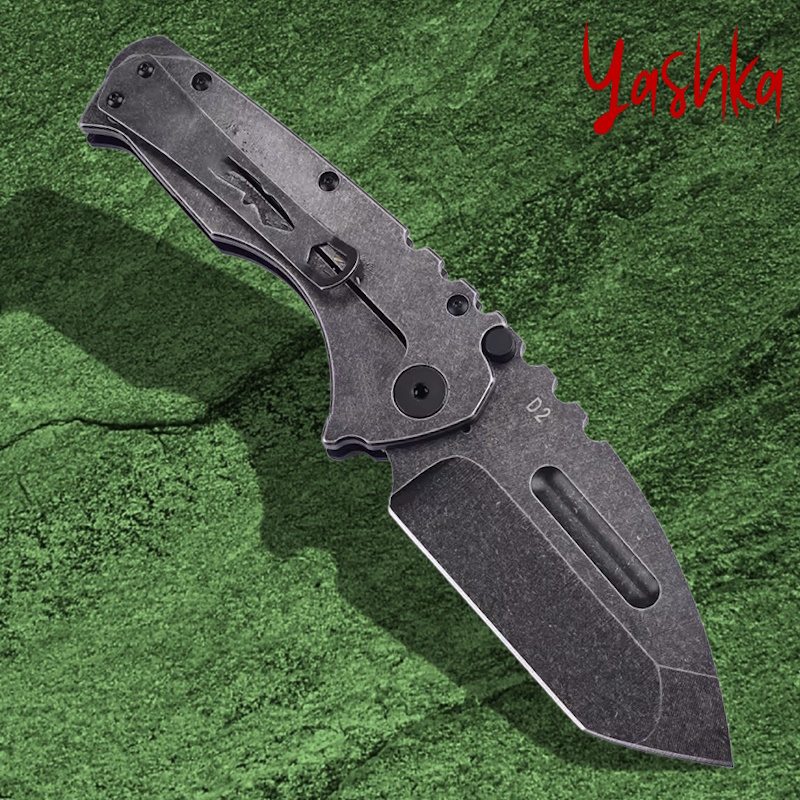
An outdoor knife is one of the most important tools for camping, hiking, hunting, fishing, and survival situations. Whether you use your knife for cutting rope, preparing food, carving wood, or emergency tasks, proper maintenance is essential. A well-maintained knife stays sharp, resists rust, performs better, and lasts for many years.
Many outdoor enthusiasts invest in high-quality knives but forget that even the best blade requires regular care. Dirt, moisture, tree sap, and improper storage can quickly damage steel and reduce performance. Fortunately, maintaining an outdoor knife is simple when you follow the right steps.
In this guide, you will learn how to clean, sharpen, oil, and store your outdoor knife properly. These practical maintenance tips will help keep your blade reliable in every outdoor adventure.
Why Outdoor Knife Maintenance Matters
Outdoor knives are exposed to harsh environments. Rain, humidity, mud, saltwater, and constant use can all affect blade quality. Without proper care, a knife can become dull, corroded, or unsafe to use.
Regular maintenance offers several important benefits:
• Keeps the blade razor sharp
• Prevents rust and corrosion
• Extends the life of the knife
• Improves cutting efficiency
• Increases safety during use
• Protects your investment
A dull knife requires more force when cutting, which increases the risk of accidents. Sharp and clean blades provide better control and precision.
Clean Your Outdoor Knife After Every Use
The first rule of knife maintenance is simple: clean your knife after every outdoor trip.
Even small amounts of moisture or debris can damage the blade over time. Food acids, animal blood, and saltwater are especially harmful to steel.
Step-by-Step Knife Cleaning Process
1. Rinse the blade with warm water
2. Use mild soap to remove dirt and oils
3. Gently scrub stubborn debris with a soft brush
4. Dry the knife completely with a clean cloth
5. Leave the knife open for several minutes to air dry
Avoid using harsh chemicals or steel wool because they can scratch the blade surface.
If you own a folding knife, pay extra attention to the pivot and locking mechanism. Dirt often builds up in these areas and affects smooth operation.
How to Remove Rust from an Outdoor Knife
Rust is one of the biggest enemies of outdoor knives. Carbon steel blades are especially vulnerable if left wet for long periods.
Effective Rust Removal Methods
For light rust:
• Use baking soda mixed with water to create a paste
• Rub gently with a soft cloth or toothbrush
For moderate rust:
• Apply white vinegar for a few minutes
• Scrub carefully and rinse immediately
For stubborn corrosion:
• Use a specialized rust remover designed for knives
After removing rust, always dry the blade completely and apply a protective oil coating.
Keep Your Knife Sharp
A sharp outdoor knife performs better and is much safer to use than a dull blade. Regular sharpening should be part of your maintenance routine.
Best Tools for Sharpening Outdoor Knives
There are several effective sharpening tools:
• Whetstones
• Diamond sharpeners
• Ceramic rods
• Guided sharpening systems
• Portable field sharpeners
Whetstones are popular because they provide precise control and excellent results.
How to Sharpen an Outdoor Knife
Follow these basic sharpening steps:
1. Hold the knife at the correct angle (usually 15–20 degrees)
2. Move the blade smoothly across the stone
3. Alternate sides evenly
4. Maintain consistent pressure
5. Finish with a honing rod or leather strop
Beginners often sharpen too aggressively. Slow and controlled movements produce better results.
Understand Blade Steel Types
Different blade steels require different maintenance approaches.
Stainless Steel Knives
Stainless steel is highly resistant to rust and corrosion. These knives are easier to maintain and ideal for wet environments.
However, stainless steel may require more frequent sharpening depending on the hardness of the steel.
Carbon Steel Knives
Carbon steel blades hold an edge extremely well and are favored by many bushcraft enthusiasts. However, they rust more easily and require careful maintenance.
Always dry and oil carbon steel knives after use.
Oil Your Knife Regularly
Applying oil protects the blade from moisture and corrosion.
Best Oils for Outdoor Knife Maintenance
Popular knife oils include:
• Mineral oil
• Food-safe knife oil
• Gun oil
• Camellia oil
For folding knives, lubricate the pivot area to ensure smooth opening and closing.
Do not apply excessive oil. A thin protective layer is enough.
Maintain the Knife Handle
Many people focus only on the blade and forget about the handle. Outdoor knife handles also need regular care.
Wooden Handles
Wood handles can dry out and crack over time.
Use:
• Linseed oil
• Mineral oil
• Beeswax conditioner
Apply occasionally to preserve the wood and prevent moisture damage.
Synthetic Handles
Rubber, G10, Micarta, and polymer handles are more resistant to weather. Simply clean them with soap and water.
Inspect the handle regularly for cracks or loose screws.
Proper Storage for Outdoor Knives
Storage plays a major role in knife longevity.
Best Knife Storage Practices
• Store knives in a dry environment
• Avoid leaving blades inside leather sheaths long-term
• Use silica gel packs to reduce moisture
• Keep folding knives slightly open during long storage
• Apply protective oil before storing
Leather sheaths absorb moisture and can cause corrosion if used for permanent storage.
Instead, store your knife separately in a dry case or cloth wrap.
Field Maintenance During Outdoor Trips
When spending multiple days outdoors, quick field maintenance becomes essential.
Essential Knife Maintenance Kit
Carry:
• Compact sharpener
• Small microfiber cloth
• Mini bottle of oil
• Cleaning wipes
• Multi-tool
Simple maintenance during a trip can prevent serious blade damage.
If your knife gets wet during rain or river crossings, dry it immediately.
Common Outdoor Knife Maintenance Mistakes
Many knife owners accidentally damage their blades through poor habits.
Avoid These Common Errors
1. Putting Knives in the Dishwasher
Dishwashers expose knives to heat, moisture, and harsh detergents. This can damage both the blade and handle.
Always wash knives by hand.
2. Using the Wrong Sharpening Angle
Incorrect sharpening angles reduce cutting performance and wear down the blade unevenly.
3. Storing Wet Knives
Even stainless steel can develop corrosion when stored wet.
4. Using Knives for Prying
Outdoor knives are designed for cutting, not prying or twisting.
Improper use may chip or break the blade.
5. Ignoring Minor Rust Spots
Small rust spots spread quickly if untreated.
How Often Should You Maintain an Outdoor Knife?
Maintenance frequency depends on how often you use the knife.
General Maintenance Schedule
After every use:
• Clean and dry the knife
Weekly or after heavy use:
• Inspect edge sharpness
• Apply oil if needed
Monthly:
• Deep clean folding mechanisms
• Check screws and handle condition
Every few months:
• Full sharpening session
Frequent outdoor users should inspect their knives regularly.
Best Practices for Long-Term Knife Care
Consistent habits make the biggest difference in knife longevity.
Professional Knife Maintenance Tips
• Use cutting boards instead of rocks or metal surfaces
• Keep knives dry whenever possible
• Carry a protective sheath during transport
• Sharpen before the blade becomes extremely dull
• Learn proper sharpening techniques
Outdoor professionals know that preventive maintenance is easier than repairing damage later.
Choosing the Right Maintenance Tools
High-quality maintenance tools improve results and simplify knife care.
Recommended Knife Care Equipment
• Dual-grit whetstone
• Leather strop
• Rust eraser
• Soft microfiber cloth
• Food-safe mineral oil
• Compact field sharpener
Investing in proper tools helps maintain peak blade performance.
Final Thoughts
Learning how to maintain an outdoor knife is an essential skill for every camper, hunter, survivalist, and outdoor enthusiast. A clean, sharp, and properly stored knife performs better, lasts longer, and remains dependable in critical situations.
Knife maintenance does not need to be complicated. Simple habits like cleaning after use, drying thoroughly, sharpening regularly, and applying protective oil can dramatically extend the life of your blade.
Whether you own a stainless steel camping knife, a carbon steel bushcraft blade, or a folding everyday carry knife, proper care ensures your tool is always ready for the next adventure.
By following these outdoor knife maintenance tips, you can keep your knife in excellent condition for many years of reliable use.
https://yashkadesigns.com/hunting-knives/
https://yashkadesigns.ecrater.com/c/2444220/hunting-knives
Outdoor Knife