Introduction
Choosing the right knife blank is one of the most important steps in any knife-making project. Whether you’re building your first custom knife or adding another piece to your collection, the quality and design of the blank will determine the performance, durability, and appearance of the finished knife.
With so many blade shapes, steel types, and sizes available, selecting the perfect knife blank can feel overwhelming. This guide explains everything you need to know before making your choice.
What Is a Knife Blank?
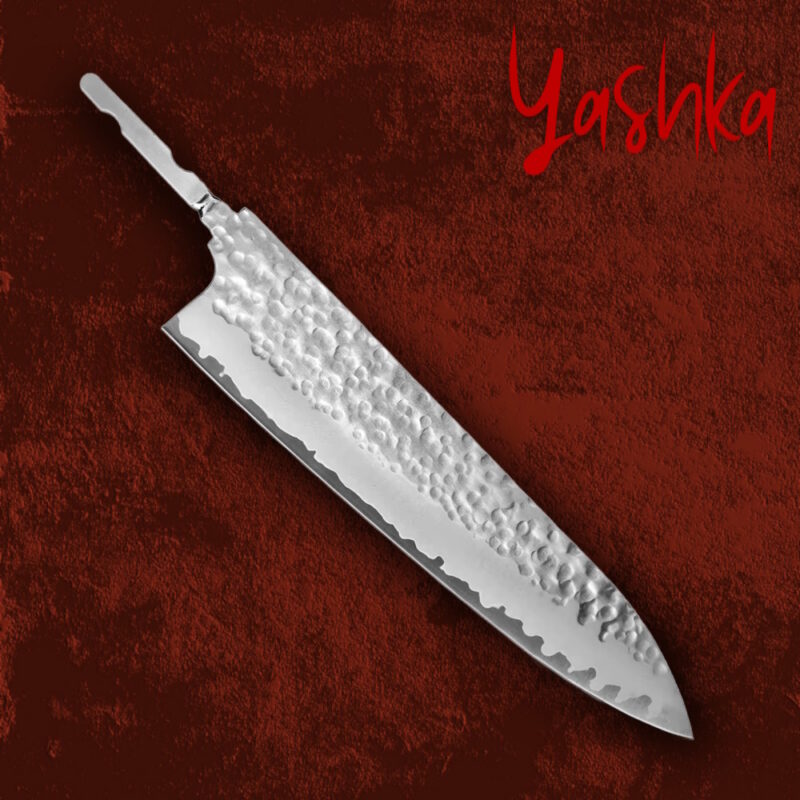
A knife blank is a pre-shaped blade that has already been cut from steel. Depending on the manufacturer, it may be heat-treated, ground, and ready for handle installation, or it may require additional finishing work.
Knife blanks allow makers to focus on handle design, assembly, and customization without needing advanced forging or grinding equipment.
Common uses include:
- Custom hunting knives
- Kitchen knives
- Bushcraft knives
- Everyday carry (EDC) knives
- Gift projects
- Professional knife-making
Choose the Right Blade Shape
Different blade shapes are designed for different tasks.
Drop Point
One of the most versatile blade profiles available.
Best for:
- Hunting
- Outdoor use
- General-purpose cutting
Advantages:
- Strong tip
- Excellent control
- Easy to sharpen
Clip Point
Recognizable by its thinner, sharper tip.
Best for:
- Detailed cutting
- Skinning game
- Precision work
Tanto
Designed for strength and piercing performance.
Best for:
- Tactical applications
- Heavy-duty cutting
Chef and Gyuto Blades
Ideal for kitchen projects.
Best for:
- Food preparation
- Professional kitchens
- Home cooking enthusiasts
Selecting the Right Steel
The steel determines edge retention, corrosion resistance, toughness, and ease of sharpening.
Stainless Steel
Advantages:
- Corrosion resistant
- Easy maintenance
- Excellent for kitchen use
Popular examples include:
- VG10
- AUS-10
- 9Cr18MoV
High Carbon Steel
Advantages:
- Excellent edge retention
- Easy sharpening
- Traditional appearance
Requires regular maintenance to prevent rust.
Damascus Steel
Damascus steel combines beautiful layered patterns with excellent performance.
Benefits include:
- Unique appearance
- Strong cutting performance
- Premium custom-knife appeal
Check Our Guide Knife Tang Types Explained
Consider Blade Thickness
Blade thickness affects strength and cutting efficiency.
Thin Blades
Best for:
- Kitchen knives
- Slicing
- Precision cutting
Medium Thickness
Best for:
- General-purpose knives
- EDC projects
Thick Blades
Best for:
- Survival knives
- Heavy outdoor work
- Bushcraft projects
Heat Treatment Matters
A properly heat-treated blade will outperform an expensive steel with poor heat treatment.
When selecting a knife blank, look for:
- Professionally heat-treated steel
- Consistent hardness
- Reliable manufacturing standards
Many quality knife blanks arrive fully heat-treated and ready for handle installation.
Check Our Guide Cryogenic Treatment Explained
Choosing Handle Materials
The handle completes your knife.
Popular options include:
Stabilized Wood
- Beautiful grain patterns
- Improved moisture resistance
- Excellent durability
Natural Hardwood
- Traditional appearance
- Comfortable feel
- Unique character
Resin and Hybrid Materials
- Modern appearance
- Water resistance
- Wide range of colors
Check Our Guide Knife Handle Materials Explained
Common Mistakes Beginners Make
Buying Based Only on Appearance
A beautiful blade is not always the best tool for your intended use.
Choosing the Wrong Steel
Kitchen knives and outdoor knives often require different steel characteristics.
Ignoring Handle Comfort
Ergonomics are just as important as blade quality.
Choosing an Oversized Blade
Bigger is not always better. Select a size appropriate for the task.
Final Thoughts
The best knife blank depends on your intended use, preferred steel, blade shape, and handle materials. Taking the time to understand these factors will help you build a knife that performs well and lasts for years.
Whether you’re creating a custom hunting knife, a professional chef knife, or a unique gift, starting with a high-quality knife blank is the foundation of a successful project.
Q: What is a knife blank?
A: A knife blank is a pre-cut blade made from steel that serves as the foundation for a custom knife. Most knife blanks already have the blade profile shaped and may be heat treated, allowing makers to focus on handle installation and finishing.
Q: Are knife blanks heat treated?
A: Many knife blanks are professionally heat treated before sale, but this depends on the manufacturer. Always check the product description to confirm whether additional heat treatment is required.
Q: Which steel is best for a knife blank?
A: The best steel depends on the intended use. VG10 and AUS-10 offer excellent corrosion resistance for kitchen knives, while high-carbon steels provide superior edge retention and are popular for outdoor and hunting knives.
Q: What blade shape is best for hunting knives?
A: Drop point blades are widely considered the best all-around hunting knife design because they provide a strong tip, excellent control, and reliable performance for field dressing and general outdoor tasks.
Q: Can beginners make a knife from a knife blank?
A: Yes. Knife blanks are one of the easiest ways for beginners to start knife making because they eliminate the need for forging and complex blade grinding. Most projects only require handle materials, pins, adhesive, and basic hand tools.
Q: How thick should a knife blank be?
A: Thin blanks are ideal for kitchen knives and slicing tasks, while thicker blanks provide greater strength for bushcraft, hunting, and heavy-duty outdoor use. The ideal thickness depends on the knife’s intended purpose.
https://yashkadesigns.com/diy-blades-and-handles