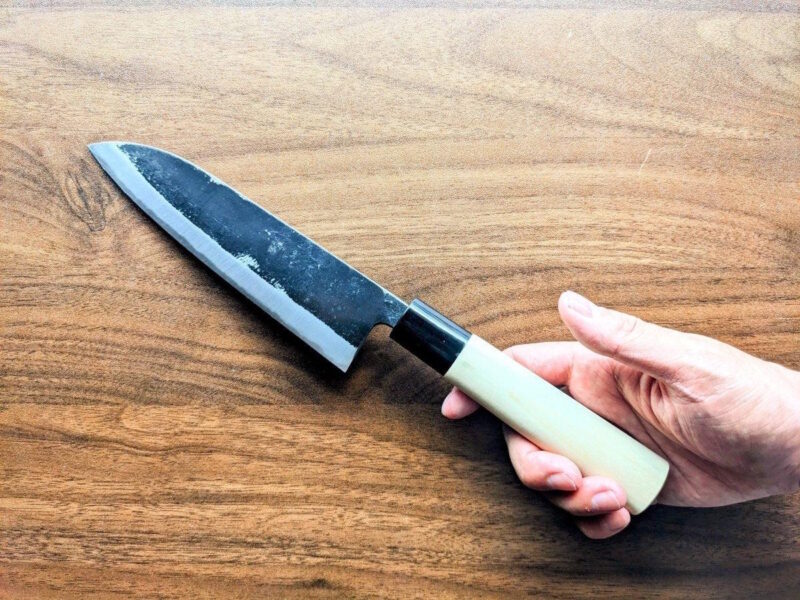
Japanese Gyuto Knife Guide
When exploring the world of premium kitchen cutlery, few knives receive as much attention as the Japanese Gyuto Knife. Widely regarded as the Japanese equivalent of a Western chef’s knife, the Gyuto has earned a reputation for exceptional versatility, precision, and cutting performance.
Whether you’re a professional chef, culinary enthusiast, or home cook looking to upgrade your kitchen tools, understanding the features and benefits of a Japanese Gyuto Knife can help you make an informed purchasing decision. In this comprehensive guide, we’ll explore its history, design, advantages, maintenance requirements, and how to choose the right Gyuto for your cooking style.
What Is a Japanese Gyuto Knife?
The Japanese Gyuto Knife is a multipurpose kitchen knife designed for a wide variety of food preparation tasks. The word “Gyuto” translates roughly to “beef sword,” reflecting the knife’s original purpose for processing meat. Over time, however, the Gyuto evolved into an all-purpose kitchen knife capable of handling vegetables, fruits, herbs, fish, and proteins with ease.
Today, the Gyuto is considered the most versatile knife in many Japanese kitchens and has become increasingly popular among chefs worldwide.
Unlike traditional Western chef’s knives, Gyutos are typically lighter, thinner, and capable of achieving exceptionally sharp edges. These characteristics contribute to cleaner cuts and greater precision during food preparation.
The History of the Gyuto
Japanese knife-making traditions date back hundreds of years and evolved from the techniques used to forge samurai swords. Historically, Japanese cuisine focused heavily on vegetables and seafood, leading to the development of specialized knife styles.
When Western culinary influences entered Japan during the late nineteenth century, Japanese craftsmen adapted their traditional forging methods to create knives suitable for processing larger cuts of meat. This innovation eventually led to the creation of the Japanese Gyuto Knife.
Today, Gyutos combine traditional craftsmanship with modern steel technology, making them among the most respected kitchen knives available.
Key Features of a Japanese Gyuto Knife
Several characteristics distinguish the Gyuto from other kitchen knives.
Thin Blade Geometry
One of the most notable features of a Japanese Gyuto Knife is its thin blade profile. This design reduces resistance while cutting and allows the blade to glide smoothly through ingredients.
The thinner blade also contributes to greater precision, making delicate slicing tasks easier and more efficient.
Exceptional Sharpness
Japanese knife makers are known for producing incredibly sharp blades. Many Gyutos are crafted from high-performance steels that can hold extremely refined edges.
This sharpness improves cutting accuracy and reduces damage to ingredients, helping preserve texture and appearance.
Lightweight Construction
Compared to many Western chef’s knives, Gyutos are often lighter and more agile. The reduced weight minimizes hand fatigue during extended food preparation sessions.
Versatility
A Japanese Gyuto Knife can perform a wide range of kitchen tasks, including:
- Slicing vegetables
- Chopping herbs
- Cutting fruits
- Preparing fish
- Trimming meat
- Portioning proteins
- General meal preparation
Its versatility makes it an excellent primary knife for most kitchens.
Common Blade Lengths
Gyuto knives are available in various blade lengths to accommodate different users and cooking styles.
180mm Gyuto
Ideal for:
- Small kitchens
- Home cooks
- Limited workspace
210mm Gyuto
The most popular size and often considered the best balance between control and versatility.
Ideal for:
- Most home cooks
- Daily food preparation
- General kitchen tasks
240mm Gyuto
Preferred by many professional chefs due to its extended cutting surface.
Ideal for:
- Large ingredients
- High-volume food preparation
- Professional kitchens
Choosing the correct size depends on your experience level, workspace, and personal preferences.
Types of Steel Used in Gyuto Knives
The steel used in a knife significantly affects its performance.
VG10 Steel
VG10 is one of the most popular premium stainless steels used in Japanese knives.
Benefits include:
- Excellent edge retention
- High corrosion resistance
- Exceptional sharpness
- Long-lasting performance
Check Our Guide VG10 Steel Review
AUS10 Steel
AUS10 offers a strong balance of toughness and edge retention.
Benefits include:
- Easy maintenance
- Good corrosion resistance
- Excellent value
- Reliable durability
Damascus Steel
Many premium Gyutos feature Damascus cladding over a high-performance steel core.
Benefits include:
- Beautiful layered patterns
- Added blade strength
- Premium appearance
- Excellent cutting performance
Check Our Guide What Is Damascus Steel?
Japanese Gyuto vs Western Chef’s Knife
Many buyers wonder whether they should choose a Gyuto or a traditional chef’s knife.
Weight
Gyutos are generally lighter than Western chef’s knives.
Blade Thickness
The Japanese Gyuto Knife usually features a thinner blade profile for increased cutting precision.
Edge Angle
Japanese knives often use more acute edge angles, resulting in sharper cutting performance.
Precision
Gyutos excel at detailed cutting tasks and produce cleaner cuts with less effort.
Durability
Western knives may tolerate rougher treatment, while Gyutos reward proper technique with superior cutting performance.
Why Professional Chefs Love Gyuto Knives
Professional chefs appreciate tools that improve efficiency and consistency. The Japanese Gyuto Knife has become a favorite in many professional kitchens because it combines versatility, sharpness, and precision in a single package.
Benefits for professionals include:
- Faster food preparation
- Cleaner cuts
- Reduced hand fatigue
- Greater control
- Outstanding edge retention
Many chefs consider the Gyuto their primary knife for daily service.
How to Choose the Right Japanese Gyuto Knife
When selecting a Gyuto, consider the following factors.
Steel Type
Choose a steel that matches your maintenance preferences and performance requirements.
Blade Length
Select a size that fits your workspace and cooking habits.
Handle Style
Japanese knives often feature either traditional Wa handles or Western-style handles.
Wa Handle
- Lightweight
- Traditional appearance
- Excellent balance
Western Handle
- Familiar grip
- Heavier feel
- Comfortable for many users
Check Our Guide Japanese Wa Handles
Budget
Quality Gyutos are available across a wide price range. Investing in reputable craftsmanship often provides better long-term value.
How to Care for a Japanese Gyuto Knife
Proper maintenance helps preserve performance and extend the life of your knife.
Hand Wash Only
Always wash your knife by hand using mild soap and warm water.
Dry Immediately
Thoroughly dry the blade after cleaning to prevent moisture-related issues.
Use Appropriate Cutting Boards
Wooden and soft composite cutting boards are recommended.
Avoid:
- Glass
- Marble
- Ceramic
- Granite
Regular Honing
Honing helps maintain edge alignment between sharpening sessions.
Sharpen When Necessary
Use quality whetstones to restore sharpness while preserving blade geometry.
A well-maintained Japanese Gyuto Knife can provide many years of outstanding performance.
Common Mistakes to Avoid
Many users unintentionally damage their knives through improper use.
Avoid:
- Cutting frozen foods
- Chopping bones
- Using the knife as a screwdriver
- Storing loose in drawers
- Running through the dishwasher
Proper usage helps protect both the blade and its edge.
Is a Japanese Gyuto Knife Worth It?
For many cooks, the answer is absolutely yes.
A high-quality Japanese Gyuto Knife offers a combination of sharpness, precision, versatility, and craftsmanship that few kitchen tools can match. Whether you’re preparing simple family meals or experimenting with advanced culinary techniques, a Gyuto can significantly improve your cooking experience.
Its ability to handle nearly every cutting task makes it one of the most practical investments for any kitchen.
Final Thoughts
The Japanese Gyuto Knife has earned its reputation as one of the world’s finest kitchen knives. Combining centuries of Japanese craftsmanship with modern steel technology, it delivers exceptional performance across a wide range of culinary tasks.
From slicing vegetables and preparing fish to portioning meat and creating precise cuts, the Gyuto serves as a versatile and reliable kitchen companion. Its lightweight design, razor-sharp edge, and excellent balance make it a favorite among both professional chefs and home cooks.
If you’re searching for a knife that can elevate your cooking experience, improve efficiency, and provide years of dependable performance, a Japanese Gyuto Knife is an excellent choice. With proper care and maintenance, it can become one of the most valuable and frequently used tools in your kitchen