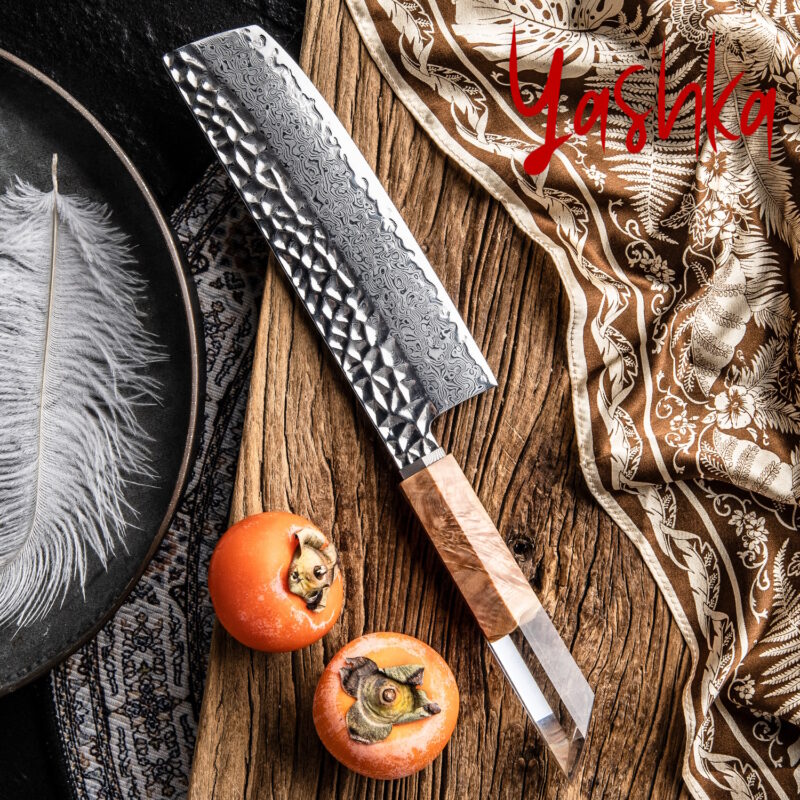
A high-quality kitchen knife can completely change the way you cook. When it comes to preparing vegetables with precision, speed, and comfort, Japanese knives are considered the gold standard by chefs around the world. Their razor-sharp edges, lightweight design, and handcrafted quality make them ideal for slicing, chopping, and dicing every type of vegetable.
If you are searching for the best Japanese kitchen knife for vegetables, understanding what makes these knives special will help you choose the perfect blade for your kitchen.
Why Japanese Knives Are Perfect for Vegetables
Japanese kitchen knives are designed for precision cutting. Unlike heavier Western knives, Japanese blades are thinner and sharper, allowing them to glide smoothly through vegetables without crushing or tearing delicate ingredients.
Whether you are cutting tomatoes, herbs, onions, carrots, or cabbage, a Japanese vegetable knife delivers clean cuts that preserve texture and flavor.
Main Benefits of Japanese Vegetable Knives
• Ultra-sharp cutting edge
• Better control and precision
• Lightweight and comfortable handling
• Cleaner cuts with less damage to ingredients
• Elegant handcrafted design
• Long-lasting sharpness
For both home cooks and professional chefs, Japanese knives make vegetable preparation faster, easier, and more enjoyable.
Best Japanese Knife Types for Vegetables
Different Japanese knives are designed for different tasks. Some models are made specifically for vegetables, while others offer all-purpose versatility.
Nakiri Knife – The Ultimate Vegetable Knife
The Nakiri knife is one of the most popular Japanese knives for vegetables. It features a straight blade edge and rectangular profile that allow precise up-and-down chopping motions.
Why Choose a Nakiri Knife?
• Designed specifically for vegetables
• Perfect for fast chopping and slicing
• Flat blade ensures full contact with the cutting board
• Excellent for onions, carrots, cucumbers, cabbage, and herbs
The Nakiri is especially popular among people who cook large amounts of vegetables daily.
Santoku Knife – Versatile Everyday Performance
The Santoku knife is one of the most versatile Japanese kitchen knives. It handles vegetables, fish, and meat with ease, making it an excellent choice for everyday cooking.
Benefits of a Santoku Knife
•   Lightweight and easy to control
•   Ideal for slicing, dicing, and chopping
•   Great for beginners and experienced cooks
•   Comfortable for daily kitchen use
If you want one knife for multiple tasks, the Santoku is an excellent option.
Usuba Knife – Professional Vegetable Precision
The Usuba knife is a traditional Japanese vegetable knife often used by professional chefs. It features a thinner blade designed for extremely precise cuts and decorative vegetable work.
Why Professionals Choose Usuba Knives
• Ultra-thin razor-sharp blade
• Exceptional precision
• Ideal for advanced vegetable cutting techniques
• Traditional Japanese craftsmanship
Because of its single-bevel edge, the Usuba requires more skill but offers incredible cutting performance.
What Makes Handmade Japanese Knives Special
Handmade Japanese knives are valued not only for performance but also for craftsmanship. Skilled artisans spend years mastering traditional forging techniques passed down through generations.
Every handmade knife has unique character, balance, and attention to detail that mass-produced knives often cannot match.
Superior Sharpness
Japanese blades are sharpened to a finer angle than many Western knives. This creates an extremely sharp edge capable of making effortless cuts through vegetables.
Sharper blades also improve safety because they require less force during cutting.
⸻
Premium Steel Quality
One of the biggest advantages of Japanese knives is the use of high-quality steel.
High-Carbon Steel
High-carbon steel offers:
• Incredible sharpness
• Excellent edge retention
• Easy sharpening
Professional chefs often prefer carbon steel because it stays sharp for longer periods.
⸻
Stainless Steel Convenience
Stainless steel Japanese knives are easier to maintain and resist corrosion.
Benefits Include
• Rust resistance
• Low maintenance
• Durable everyday performance
For many home cooks, stainless steel provides the perfect balance between convenience and sharpness.
⸻
Damascus Steel Beauty
Damascus Japanese knives are known for their beautiful layered patterns and premium construction.
Why Damascus Knives Are Popular
• Unique handcrafted appearance
• Strong multi-layer steel construction
• Excellent durability
• Luxury aesthetic
A Damascus vegetable knife combines artistic craftsmanship with professional cutting performance.
How to Choose the Best Japanese Kitchen Knife for Vegetables
Choosing the right knife depends on your cooking style and personal preferences.
Blade Shape Matters
For vegetables, flat-edge blades like Nakiri knives provide cleaner cuts and more efficient chopping.
Santoku knives offer more versatility for users who also prepare meat and fish regularly.
⸻
Knife Size
Most Japanese vegetable knives range between 5 and 7 inches.
Recommended Sizes
• Smaller knives offer better control
• Larger knives provide more versatility
A medium-sized blade is ideal for most home kitchens.
⸻
Handle Comfort
Japanese knives typically feature either traditional Wa handles or Western-style handles.
Traditional Wa Handles
• Lightweight
• Excellent balance
• Comfortable grip
Western Handles
• Heavier feel
• Familiar ergonomic design
• Durable construction
Comfort is extremely important, especially during long cooking sessions.
Why Professional Chefs Prefer Japanese Knives
Professional chefs value Japanese knives because they combine speed, precision, and comfort.
Key Reasons Chefs Choose Japanese Blades
• Cleaner vegetable cuts
• Better ingredient presentation
• Reduced hand fatigue
• Long-lasting sharpness
• Greater cutting accuracy
High-quality knives allow chefs to work more efficiently while maintaining excellent food presentation.
Caring for Your Japanese Vegetable Knife
Proper care helps preserve sharpness and extend the life of your knife.
Always Hand Wash
Dishwashers can damage both the blade and handle. Wash your knife by hand and dry it immediately after use.
⸻
Use Proper Cutting Boards
Avoid hard surfaces like glass or marble.
Best cutting boards include:
• Wood
• Bamboo
• Soft plastic
These materials help protect the cutting edge.
⸻
Sharpen Regularly
Japanese knives perform best when sharpened with whetstones.
Regular maintenance keeps the blade razor sharp and improves cutting performance.
⸻
Safe Storage
Protect your knife using:
• Knife blocks
• Magnetic strips
• Blade guards
Proper storage prevents edge damage.
⸻
Japanese Knife vs Western Knife for Vegetables
Many cooks notice an immediate difference when switching from Western knives to Japanese blades.
Japanese Knives
• Thinner blades
• Sharper edges
• Greater precision
• Lightweight handling
Western Knives
• Heavier construction
• More durable for hard tasks
• Better for heavy chopping
For vegetable preparation, Japanese knives generally deliver smoother and more precise cuts.
⸻
Choosing the Right Knife for Your Kitchen
The best Japanese kitchen knife for vegetables depends on your cooking habits.
Choose a Nakiri If You:
• Cook vegetables daily
• Want maximum precision
• Prefer straight chopping motions
Choose a Santoku If You:
• Need an all-purpose kitchen knife
• Want versatility
• Prefer a beginner-friendly option
Choose an Usuba If You:
• Have advanced knife skills
• Want professional-level precision
• Enjoy traditional Japanese craftsmanship
Final Thoughts
A premium Japanese kitchen knife is more than just a cooking tool — it is an investment in quality, precision, and craftsmanship. Whether you choose a Nakiri, Santoku, or Usuba knife, a well-made Japanese blade can dramatically improve your vegetable preparation and overall cooking experience.
Handcrafted Japanese knives combine centuries of tradition with modern performance, offering razor-sharp edges, beautiful design, and exceptional durability.
If you are passionate about cooking and want the best results in your kitchen, a high-quality Japanese vegetable knife is one of the most valuable tools you can own.
Japanese Kitchen Knife
https://yashkadesigns.com/nakiri-knives
https://yashkadesigns.com/santoku-knives
Japanese Kitchen Knife