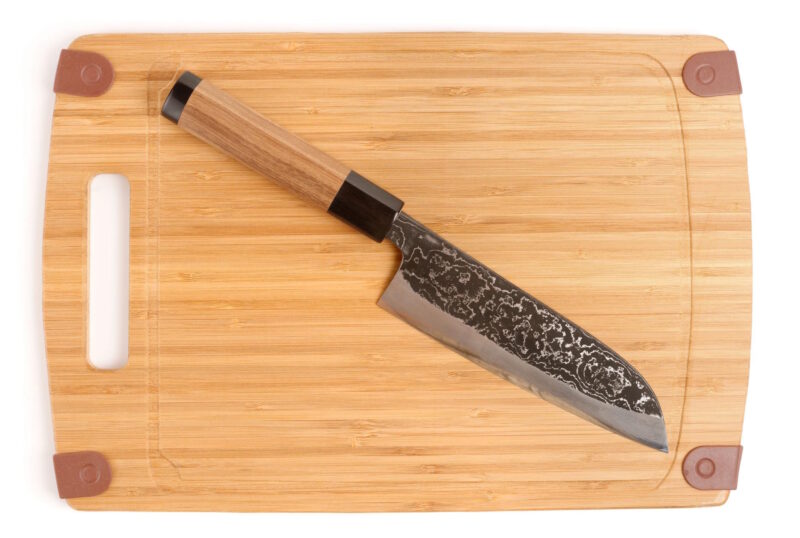
A Damascus Kitchen Knife is more than just a cutting tool—it’s a combination of craftsmanship, performance, and beauty. Known for its distinctive flowing patterns and exceptional cutting ability, a Damascus blade can become the centerpiece of any kitchen. However, even the finest knife will lose its edge over time if it is not properly maintained.
Whether you’re a professional chef or a passionate home cook, learning how to care for your Damascus Kitchen Knife will help preserve its sharpness, extend its lifespan, and ensure consistent performance. In this comprehensive guide, we’ll cover everything you need to know about keeping your knife razor-sharp for years to come.
What Makes Damascus Knives Special?
Damascus knives are admired for their unique layered appearance and impressive cutting performance. Modern Damascus kitchen knives are typically made by layering different steels around a high-performance core steel such as VG10, AUS10, or other premium stainless steels.
The result is a blade that combines strength, durability, edge retention, and visual appeal. While the patterned finish attracts attention, the true value of a Damascus Kitchen Knife lies in its ability to deliver precise and effortless cuts.
Proper care is essential if you want to maintain these qualities and protect your investment.
Check Our Guide Kiritsuke vs Gyuto: Which Japanese Knife Is Better for Everyday Cooking
Why Sharpness Matters
A sharp knife is not only more efficient but also safer to use. Many people assume dull knives are safer because they seem less aggressive, but the opposite is often true. A dull blade requires more force, increasing the risk of slipping and causing injury.
Keeping your Damascus Kitchen Knife sharp offers several advantages:
- Cleaner and more precise cuts
- Better food presentation
- Reduced hand fatigue
- Increased safety during food preparation
- Longer blade life
A well-maintained edge also allows you to enjoy the exceptional cutting performance that Damascus knives are known for.
Check Our Guide Kitchen Knife Care Guide
Use the Right Cutting Board
One of the easiest ways to preserve your knife’s edge is by choosing an appropriate cutting surface.
Best Cutting Board Materials
- Hardwood boards
- End-grain wood boards
- Soft composite cutting boards
- Bamboo boards (high-quality versions)
Avoid These Surfaces
- Glass cutting boards
- Marble countertops
- Granite surfaces
- Ceramic plates
- Metal preparation surfaces
Hard surfaces can quickly dull even the sharpest Damascus Kitchen Knife. A quality wooden cutting board provides enough resistance for food preparation while protecting the delicate edge.
Hand Wash Only
Many knife owners damage their blades simply by placing them in the dishwasher.
The high temperatures, harsh detergents, and constant movement inside a dishwasher can damage the blade, handle, and finish of a Damascus Kitchen Knife.
Proper Cleaning Steps
- Wash immediately after use.
- Use warm water and mild dish soap.
- Gently clean the blade with a soft sponge.
- Rinse thoroughly.
- Dry completely with a soft towel.
Never leave your knife soaking in water for extended periods. Moisture can affect both the blade and handle materials over time.
Dry Your Knife Immediately
Even stainless Damascus steels benefit from proper drying.
Water spots, mineral deposits, and prolonged moisture exposure can gradually affect the appearance of the blade. After washing, carefully dry your Damascus Kitchen Knife before storing it.
Pay special attention to the area where the blade meets the handle, as moisture can sometimes collect in this section.
Learn the Difference Between Honing and Sharpening
Many people confuse honing and sharpening, but they serve different purposes.
Honing
Honing realigns the knife’s edge without removing significant metal. Regular honing helps maintain cutting performance between sharpening sessions.
Sharpening
Sharpening removes a small amount of metal to create a new edge. This process restores sharpness when the knife eventually becomes dull.
A quality Damascus Kitchen Knife may only need occasional sharpening if it is honed regularly and used correctly.
Use a Honing Rod Regularly
A honing rod is one of the best tools for maintaining sharpness.
Depending on how often you cook, using a honing rod every few uses can help keep the edge aligned and performing at its best.
When honing:
- Hold the rod vertically.
- Maintain a consistent angle.
- Use light pressure.
- Alternate sides evenly.
Regular honing can significantly extend the time between full sharpening sessions.
Sharpen with Whetstones
Most knife enthusiasts consider whetstones the best sharpening method for premium kitchen knives.
Unlike pull-through sharpeners, whetstones provide better control and produce a cleaner, more refined edge.
Recommended Grit Levels
1000 Grit
- General sharpening
- Restoring dull edges
3000–5000 Grit
- Refining and polishing
6000–8000 Grit
- Achieving razor-sharp finishes
Using whetstones properly helps preserve the performance and beauty of a Damascus Kitchen Knife while minimizing unnecessary steel removal.
Avoid Cheap Pull-Through Sharpeners
Many inexpensive sharpeners remove excessive metal and can damage the blade geometry.
Although they seem convenient, these devices often create uneven edges and shorten the life of premium knives.
For long-term performance, whetstones or professional sharpening services are much better options.
Store Your Knife Properly
Storage plays a major role in maintaining sharpness.
Throwing knives into a kitchen drawer allows the blade to strike other utensils, leading to chips, scratches, and dulling.
Better Storage Options
- Magnetic knife strips
- Wooden knife blocks
- Blade guards
- Knife rolls for transport
A properly stored Damascus Kitchen Knife stays sharper longer and remains protected from accidental damage.
Use Proper Cutting Techniques
Many knife owners unknowingly dull their blades through poor cutting habits.
Good Habits
- Use smooth slicing motions
- Let the sharp edge do the work
- Cut on approved surfaces
- Keep the blade clean during use
Habits to Avoid
- Twisting the blade during cuts
- Scraping food with the cutting edge
- Cutting frozen foods
- Chopping bones
- Using the knife as a pry tool
Proper technique helps maintain the edge and prevents unnecessary wear.
Oil Carbon-Based Damascus Blades
Some Damascus knives contain high-carbon steel cores that require extra care.
If your knife is not fully stainless, applying a thin layer of food-safe mineral oil can help protect the blade from moisture and oxidation.
Always follow the manufacturer’s recommendations for maintenance and storage.
Know When It’s Time to Sharpen
Even with excellent care, every knife eventually requires sharpening.
Signs your knife may need attention include:
- Difficulty slicing tomatoes
- Increased pressure needed during cutting
- Tearing herbs instead of slicing them
- Reduced cutting precision
When you notice these symptoms, sharpening will restore the performance of your Damascus Kitchen Knife and keep it functioning like new.
Professional Sharpening Services
If you’re uncomfortable sharpening your knife yourself, professional services can be an excellent option.
Experienced sharpeners understand proper blade angles and can restore a high-quality edge while preserving the knife’s geometry.
Many serious knife owners alternate between home maintenance and occasional professional sharpening for optimal results.
Check Our Guide Japanese Gyuto Knife Guide: Everything You Need to Know
Final Thoughts
A premium Damascus Kitchen Knife is designed to provide years of exceptional cutting performance, but its longevity depends on proper care and maintenance. By using the right cutting board, hand washing after every use, honing regularly, sharpening with quality whetstones, and storing the knife correctly, you can preserve its edge and appearance for many years.
The beauty of a Damascus Kitchen Knife lies not only in its stunning layered pattern but also in its ability to perform with remarkable precision. With consistent maintenance and proper handling, your knife will remain a reliable kitchen companion, helping you prepare meals efficiently and enjoy the full benefits of superior craftsmanship.
Investing a little time in knife care today will reward you with better cutting performance, greater safety, and a longer-lasting blade for years to come.